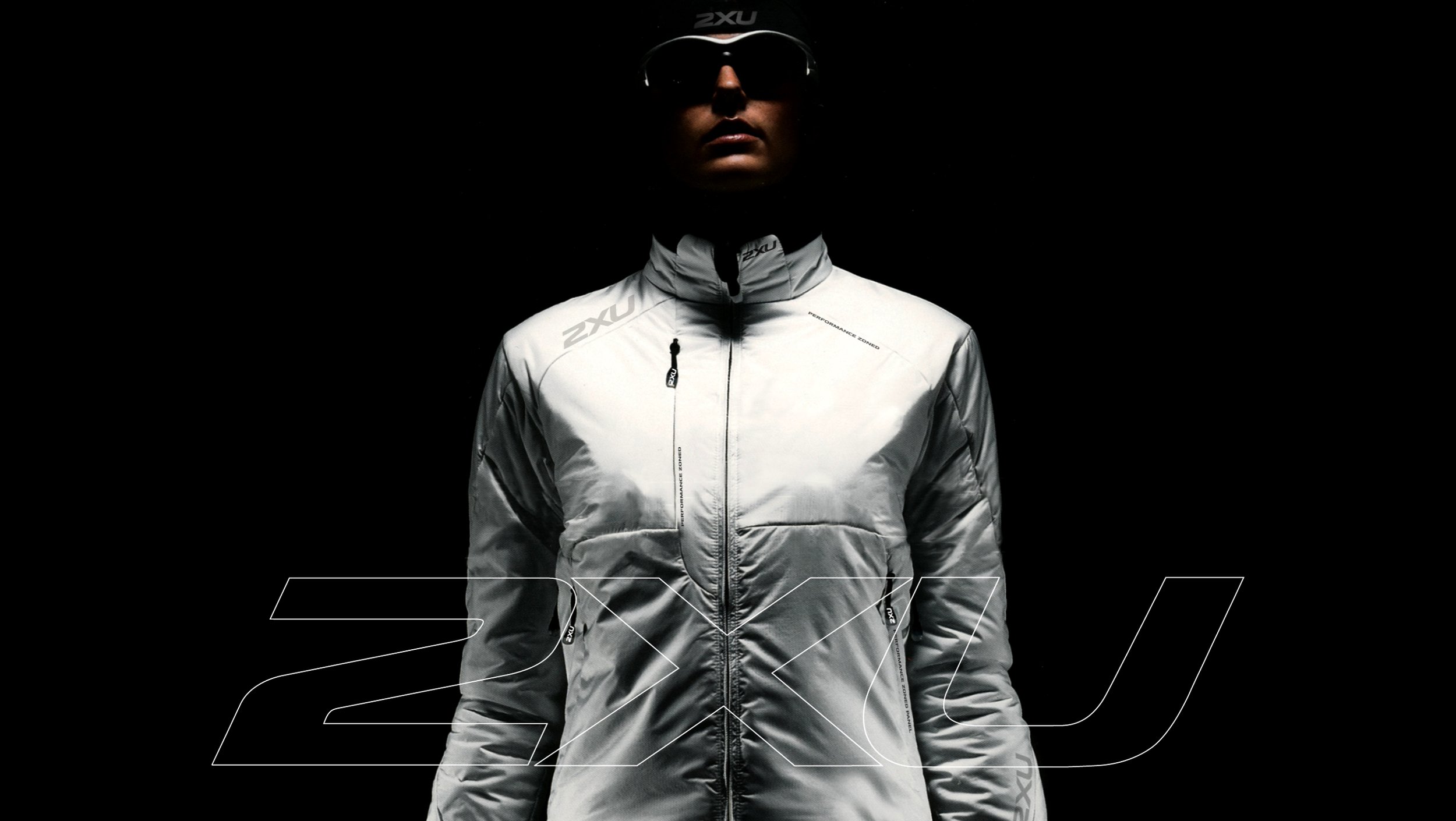
2XU
CASE-STUDY 03
Sector: Performance Apparel
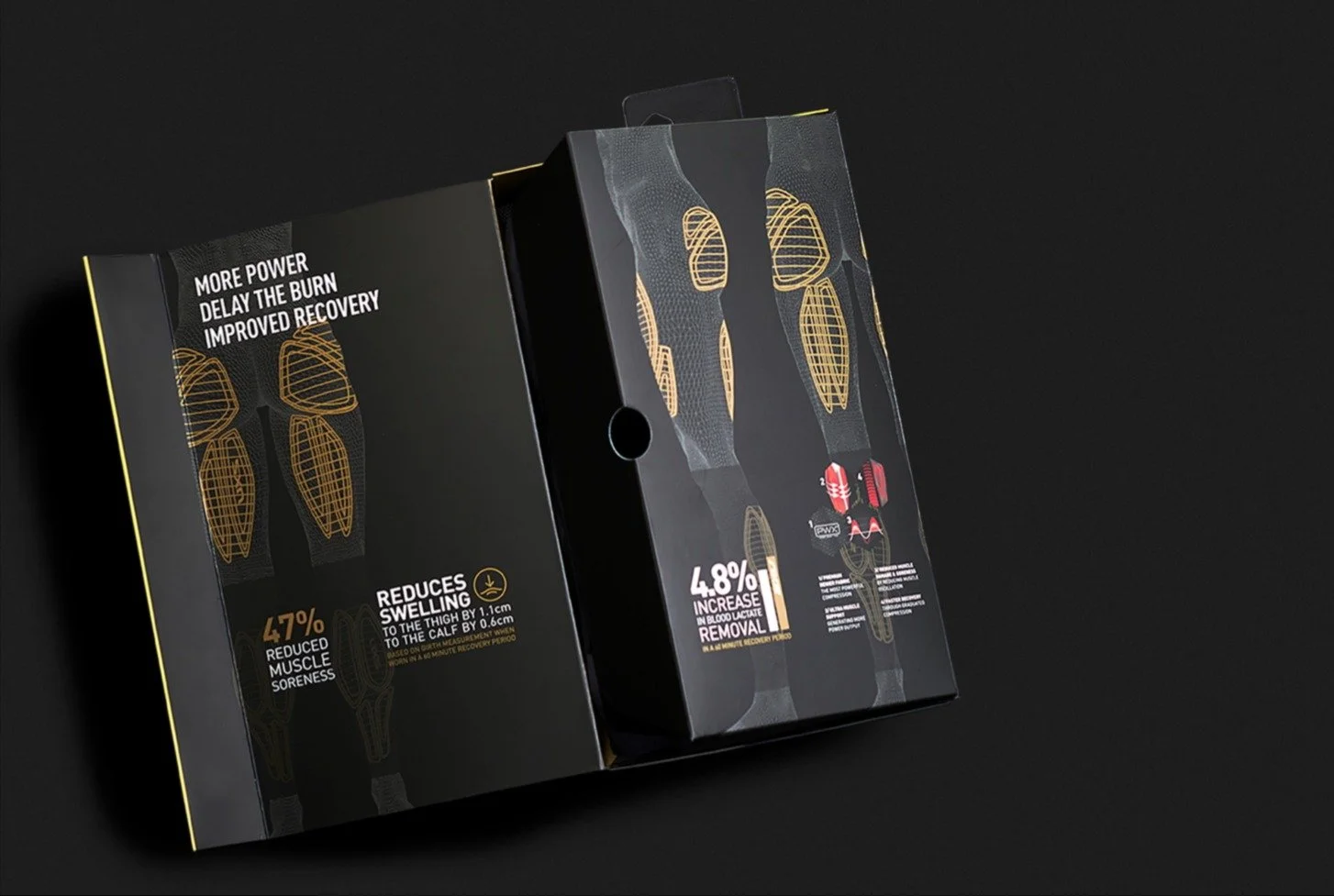
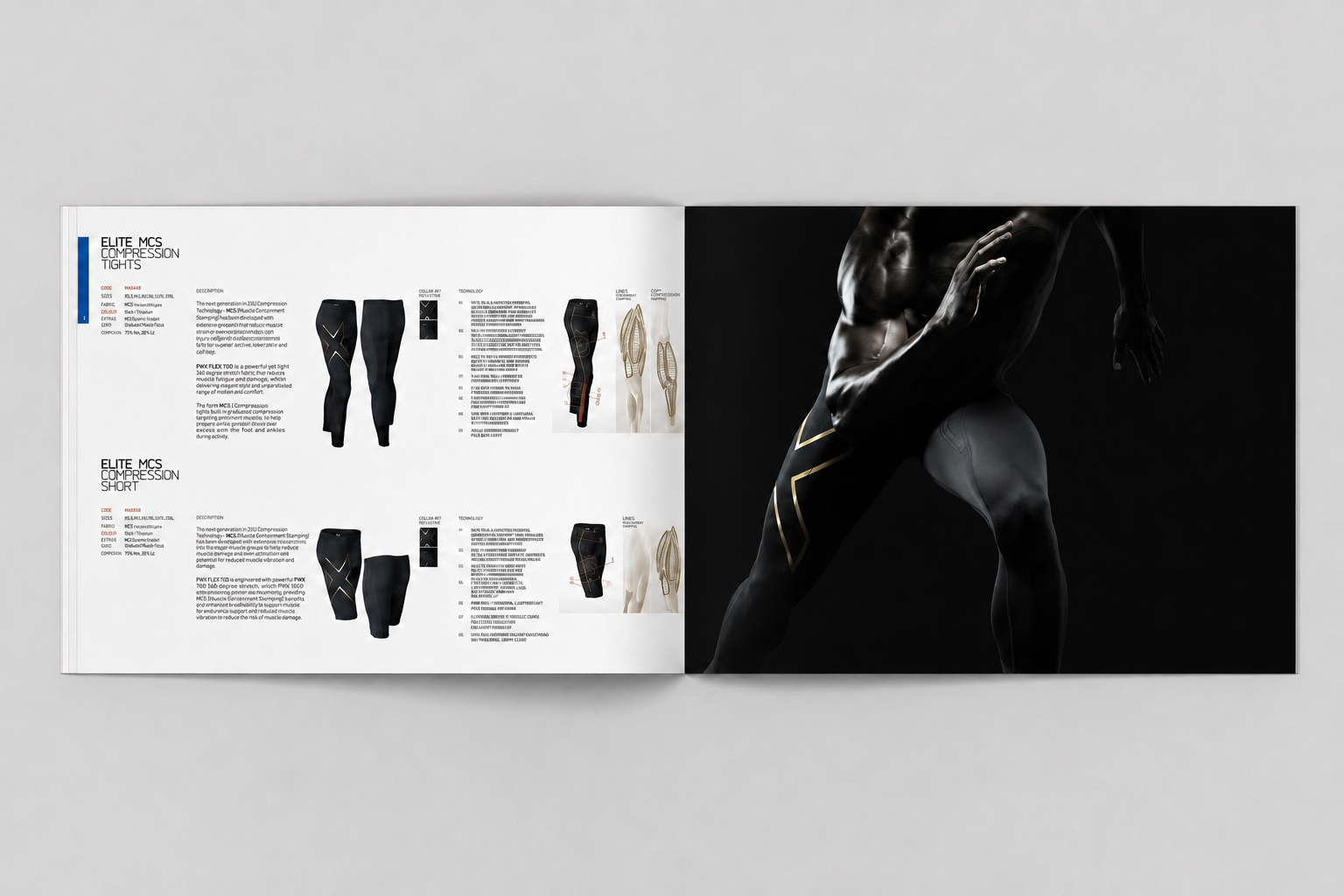
Scope: Brand Creation, Foundational Strategy, Product Creation & Global Retail Merchandising
Context: Brand Formation (2005)
Origin
In 2005, I was engaged during the formation of what would become 2XU. The original working name, JAC Sports, was created from the founders’ initials but lacked international breadth and conceptual authority. The task was to define a brand narrative capable of supporting global ambition within elite performance sport.NAMING
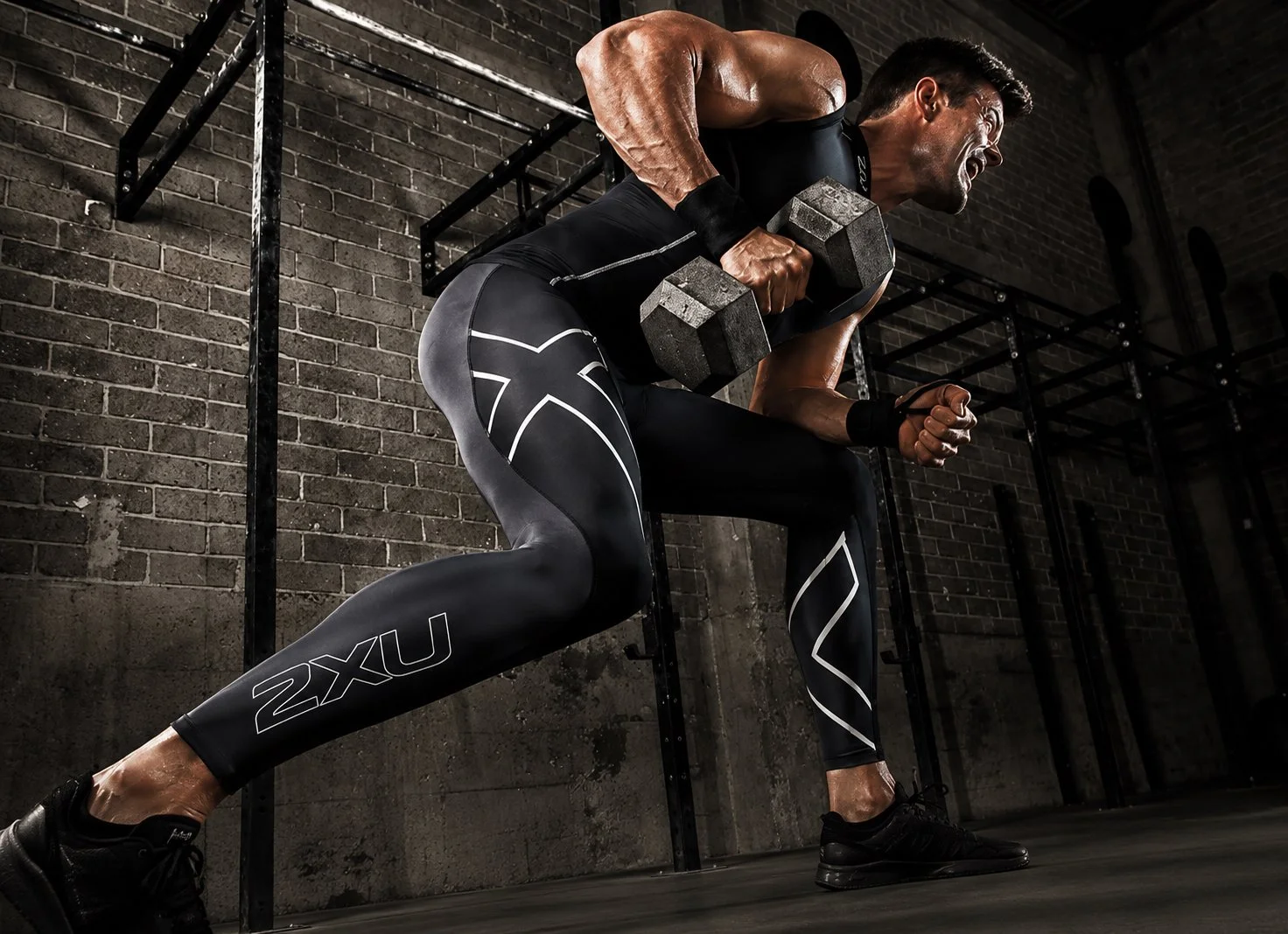
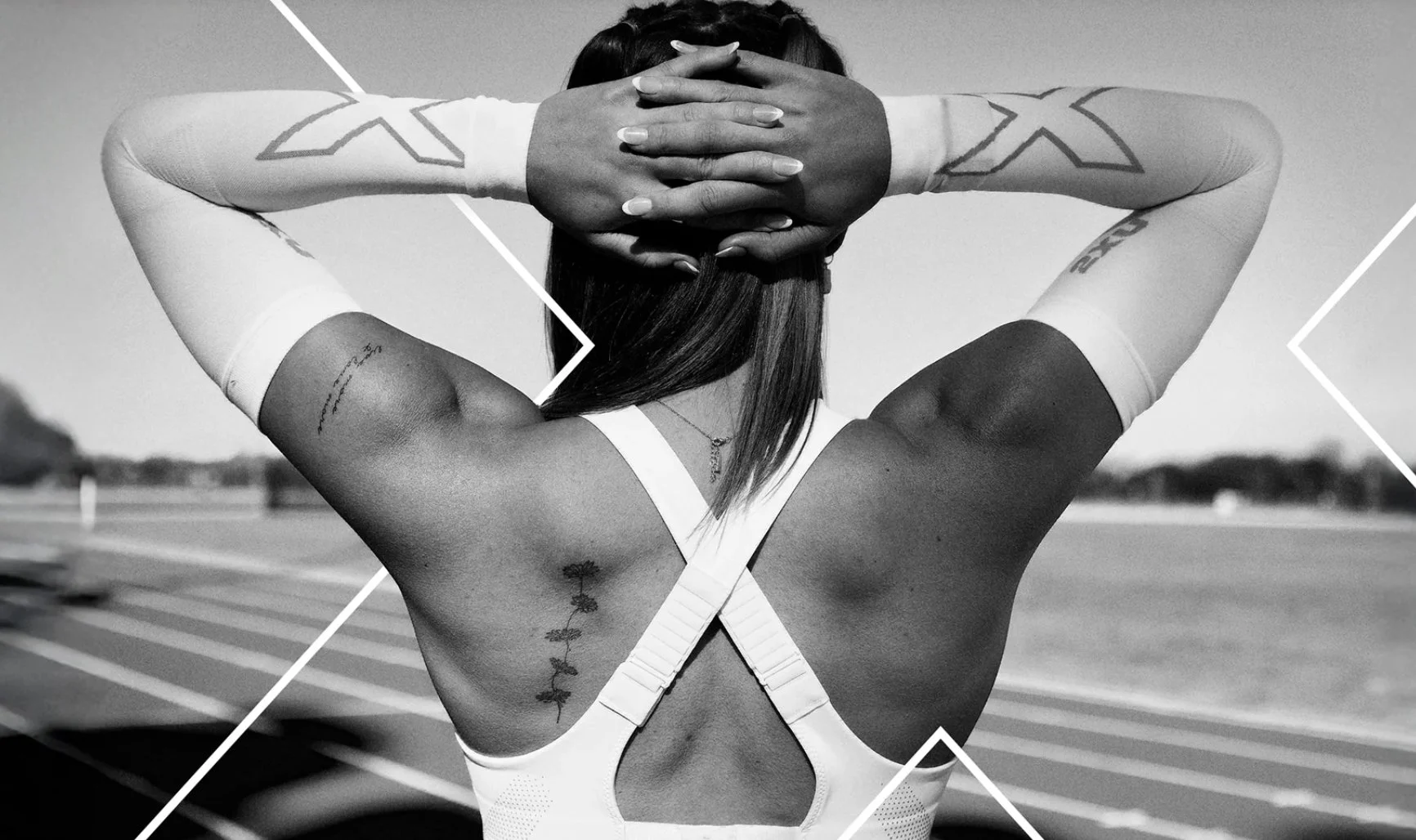
I developed the name 2XU as a distilled expression of multiplication — an articulation of amplified human performance.
It was intentionally technical, globally protectable and it represented a narrative that went beyond a single product category.
The name did not just describe the product. It defined the athletes’ ambition.
Strategic Position
From inception, I established the positioning statement:
Human Performance. Multiplied.
This was conceived as the strategic narrative rather than a campaign line.
It provided:
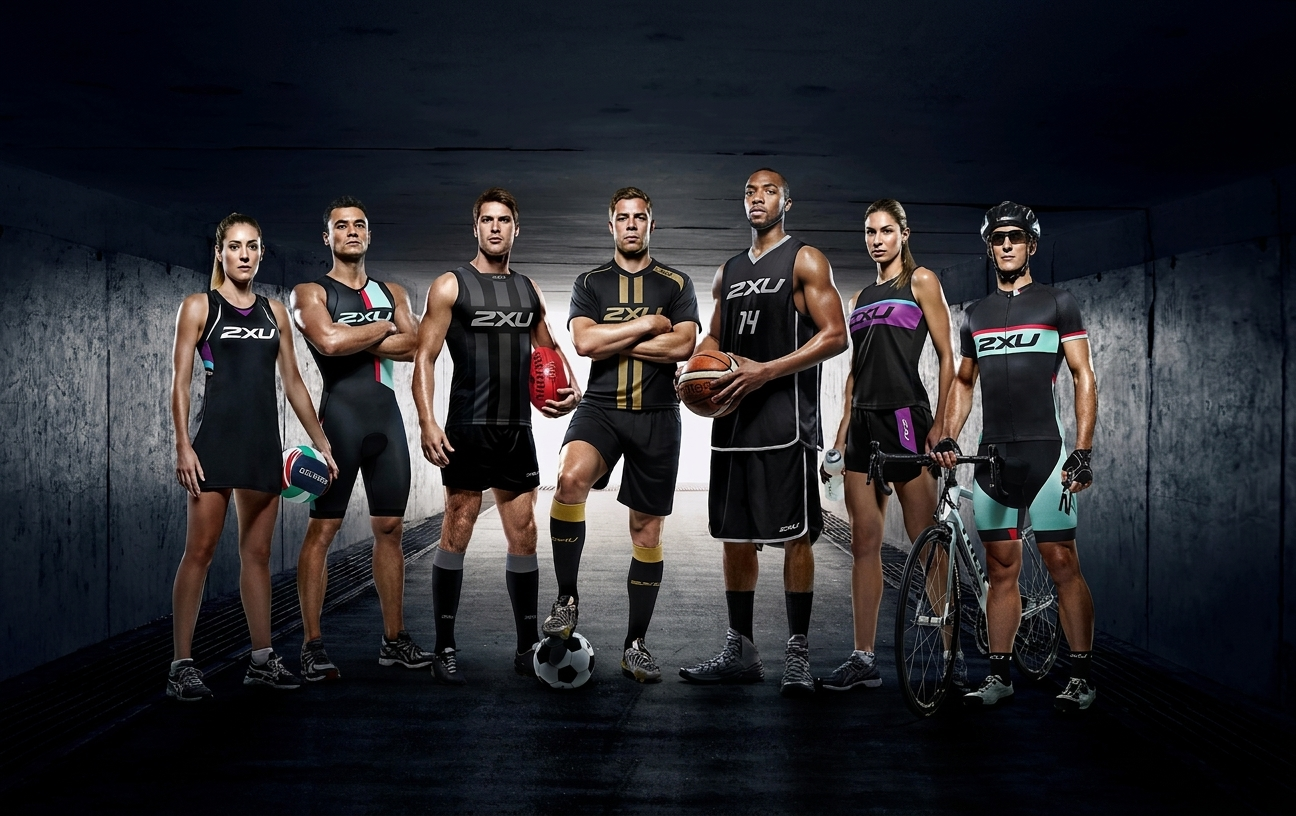
– Conceptual breadth beyond compression garments;
– A scalable narrative platform across product categories;
– Authority within elite performance environments; and
– A disciplined foundation for premium positioning.
The name and positioning operated as an all-encompassing narrative.
Institutional Validation
The clarity of the strategic positioning enabled early institutional credibility.
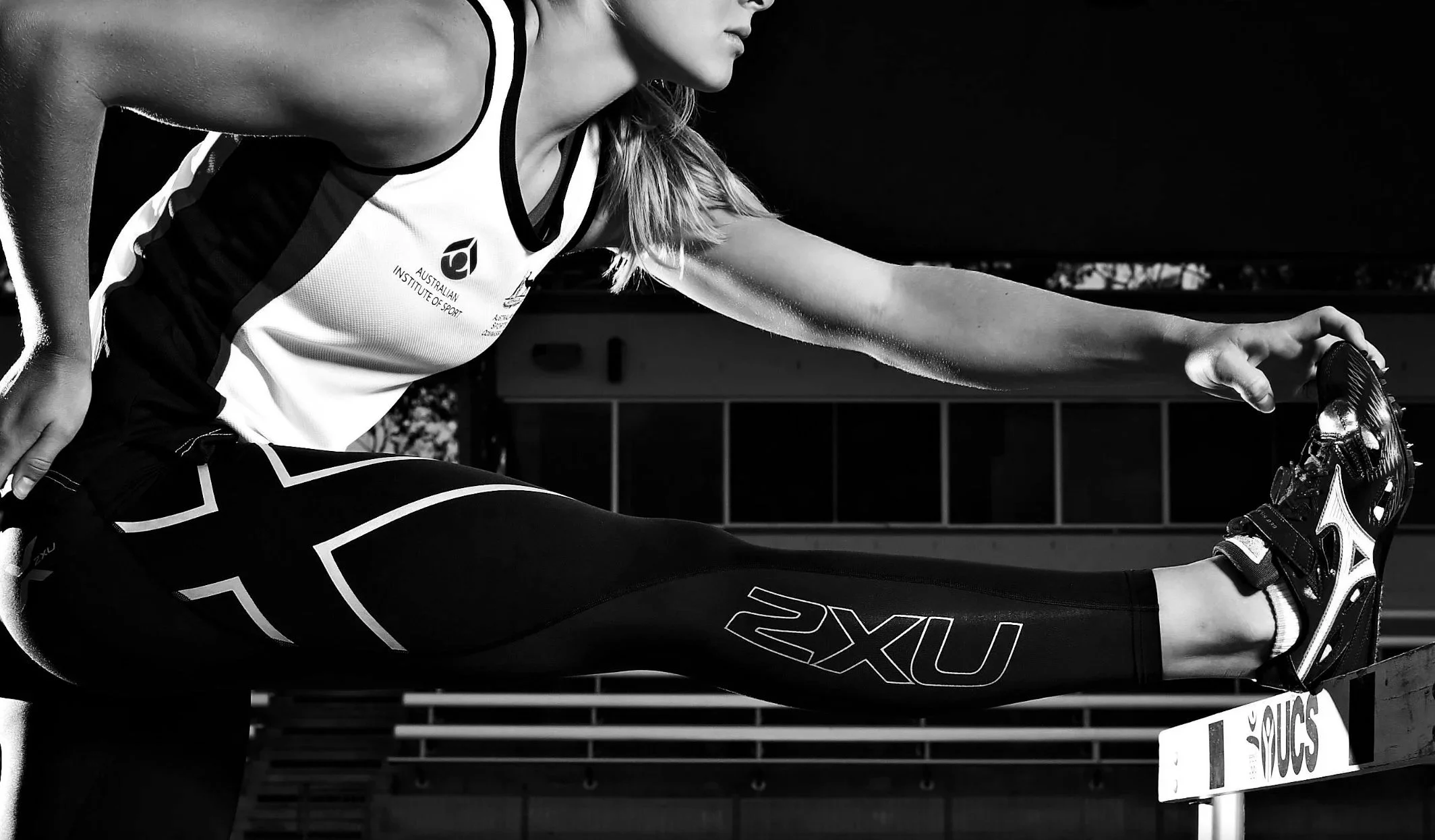
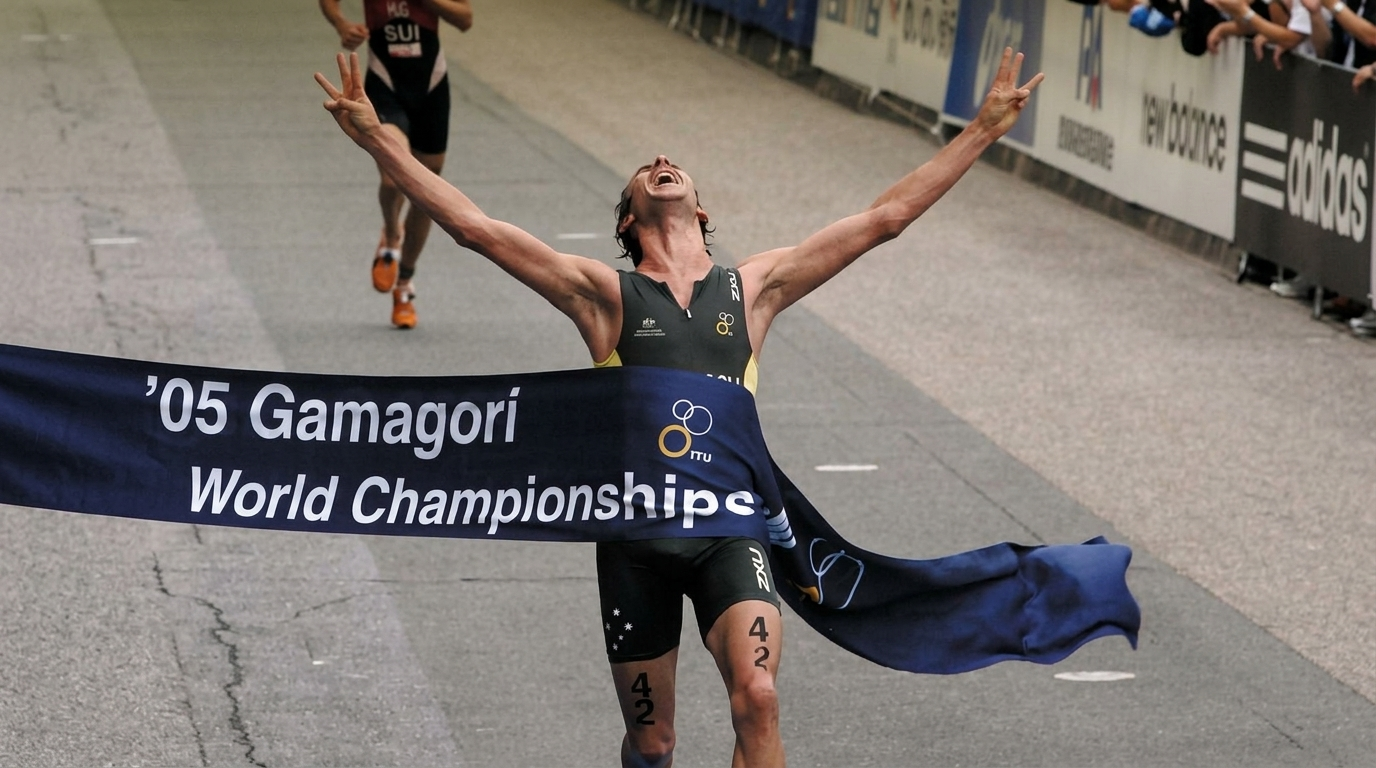
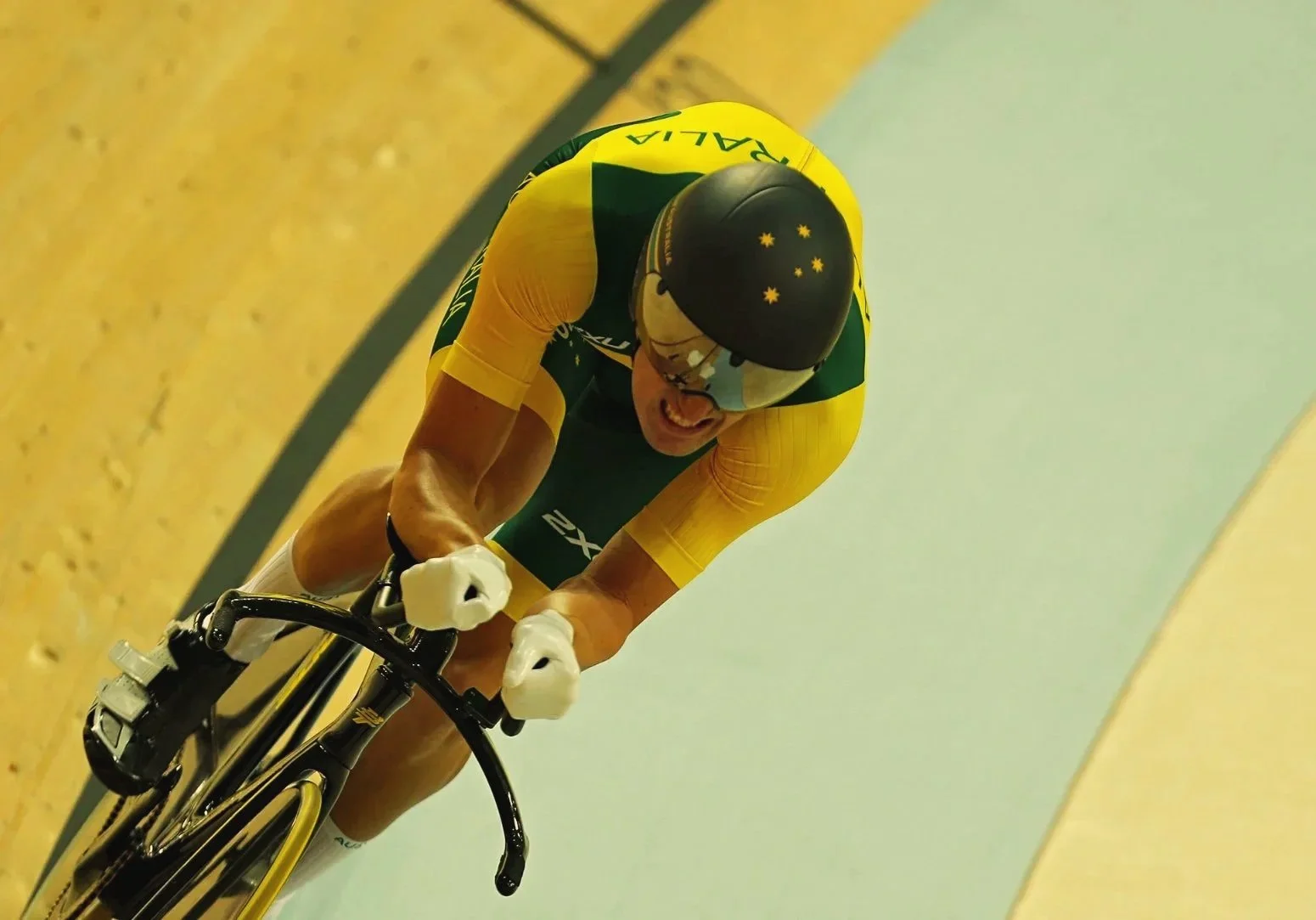
2XU secured a partnership with the Australian Institute of Sport — a relationship that reinforced its scientific legitimacy and performance authority.
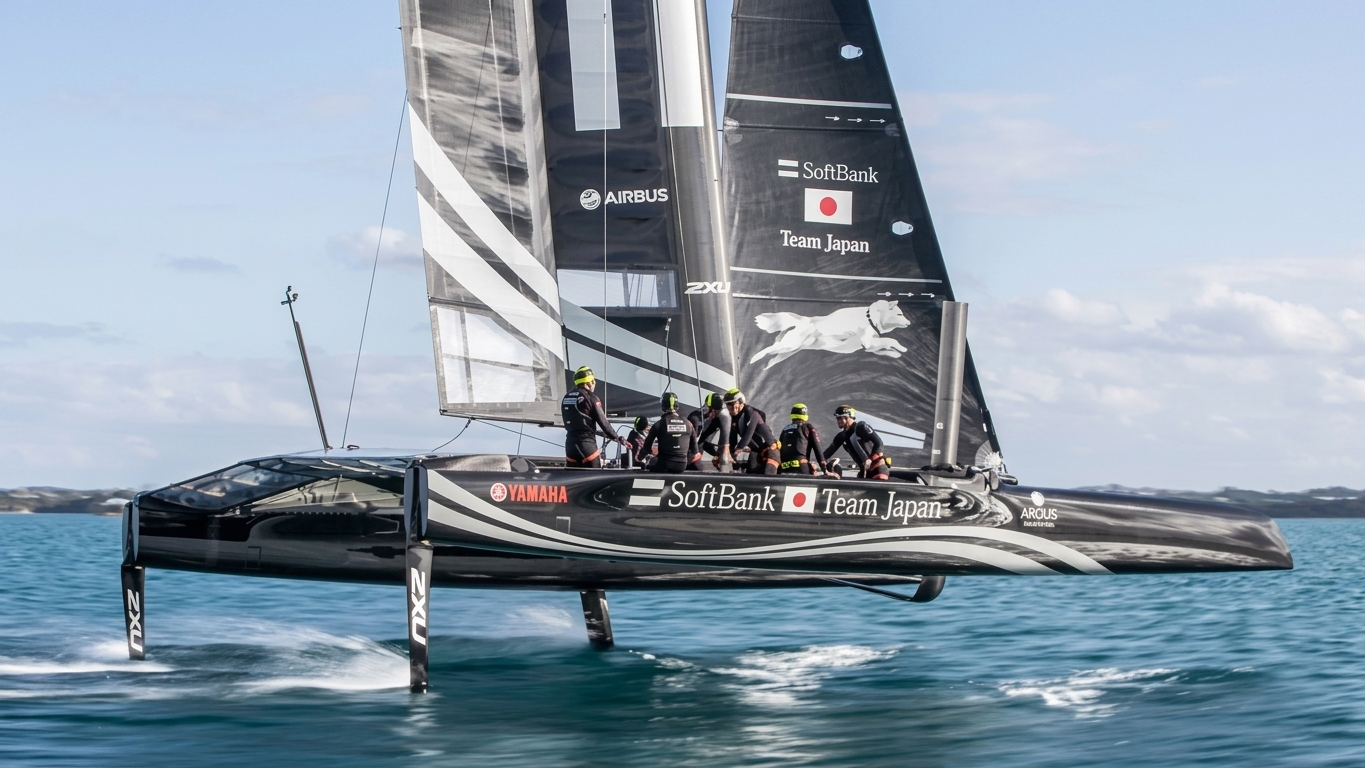
Over time, the brand moved fluidly between elite sport and broader cultural relevance, collaborating with global figures and brands including Kim Kardashian and Kanye West’s Yeezy.
The brand had the power to attract these collaborators, and these collaborations did not dilute the core narrative, but rather, strengthened and amplified it.
Commercial Expansion
The strength of the brand narrative led to critical entry into its first major retail channel, Rebel Sport and subsequently attracted international distributors.
Following the company’s sale in 2018 for 200 million, I met with Aidan Clarke, one of the founders. Reflecting on the sale, he remarked that without the clarity of the brand narrative established at the start, entry into key retail channels would have been unlikely, and the company’s trajectory materially different.
Outcome
Between its launch in 2005 and its acquisition by LVMH in 2018 for 200 million, 2XU scaled internationally across institutional, retail, and cultural environments.
The foundational naming and positioning architecture established at inception remained intact through that growth.
-
![An image of the Float House.]()
01
-
![compression_packaging]()
02
-
![compression_packaging_02]()
03
-
![]()
04
-
![]()
05
-
![]()
06
-
![]()
07
-
![]()
08
-
![]()
09
-
![]()
10
-
![]()
12
-
![]()
13
-
![]()
14
-
![]()
15
-
![]()
16
-
![]()
17