Grown Alchemist
CASE-STUDY 01
Sector: Skincare
Scope: Brand Creation, Foundational Strategic Positioning, Product Creation & Global Retail Architecture
Context: Brand Formation to Global Expansion
Origin
In 2008, I co-founded Grown Alchemist in response to a structural gap within the skincare category. The market was divided between natural purity and clinical intervention, with little coherence between the two. The opportunity was to establish a disciplined synthesis capable of operating at global luxury scale.
Naming & Strategic Position
The name Grown Alchemist was constructed as a deliberate duality:
Grown — natural origin.
Alchemist — scientific transformation.
The positioning was defined from inception: Biological Beauty.
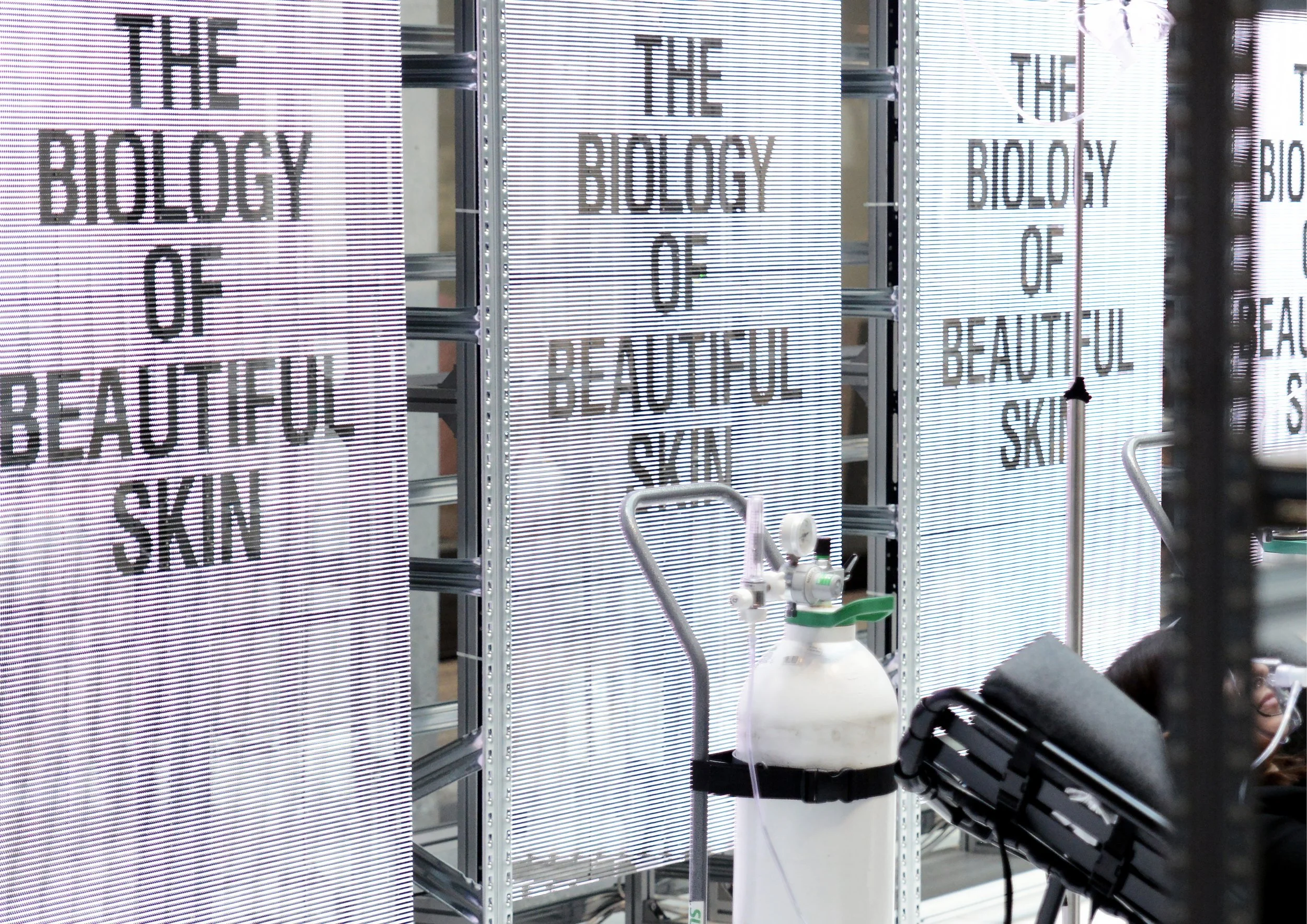
This articulation framed skincare as a biological system rather than a cosmetic intervention. It allowed the brand to move beyond trend-led naturalism into a more science-informed territory.
The objective was not simply to produce products, but to establish a new category within luxury skincare.
Market Establishment
From launch, the brand was placed within luxury department stores internationally, eventually operating in over 35 countries.
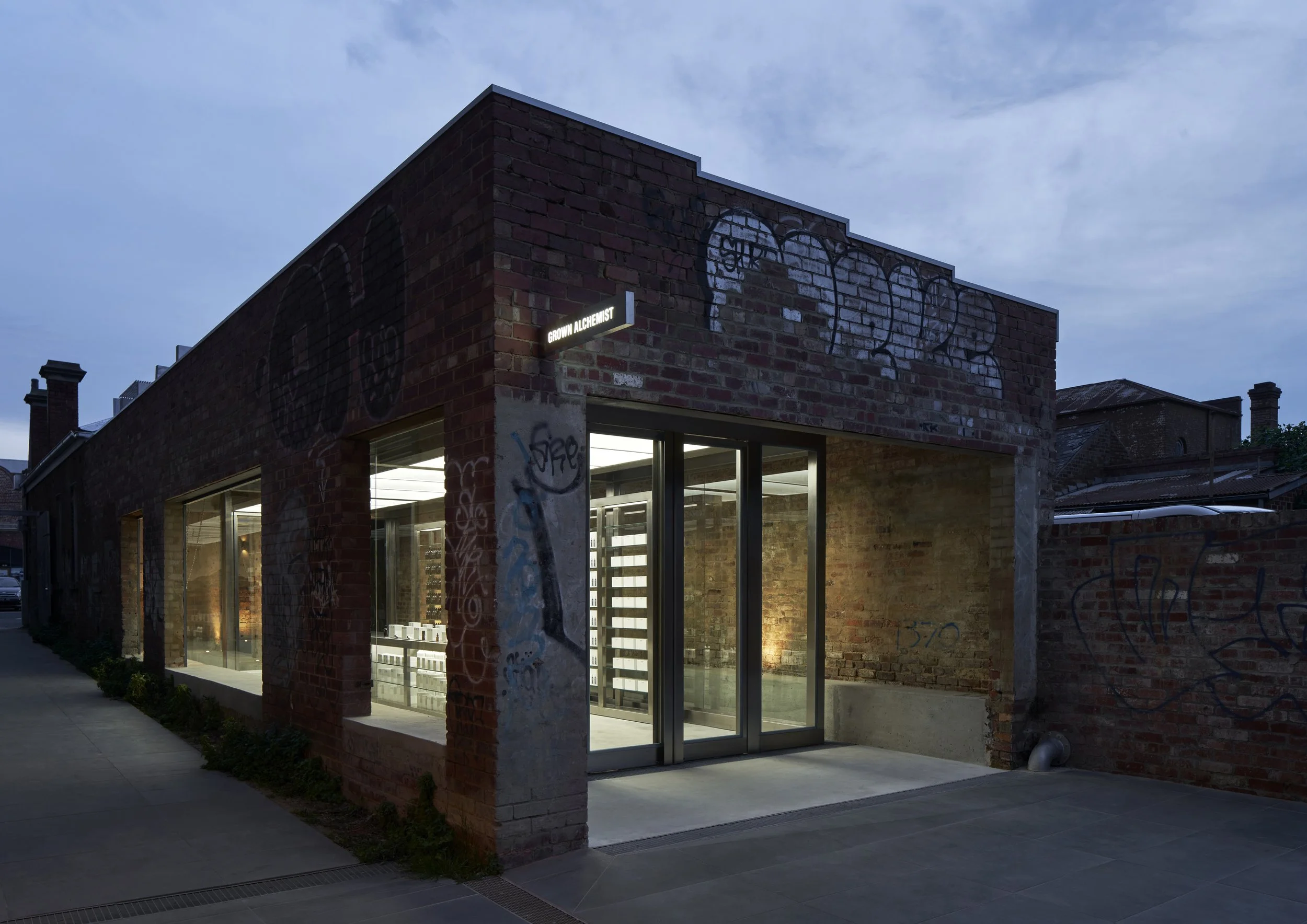
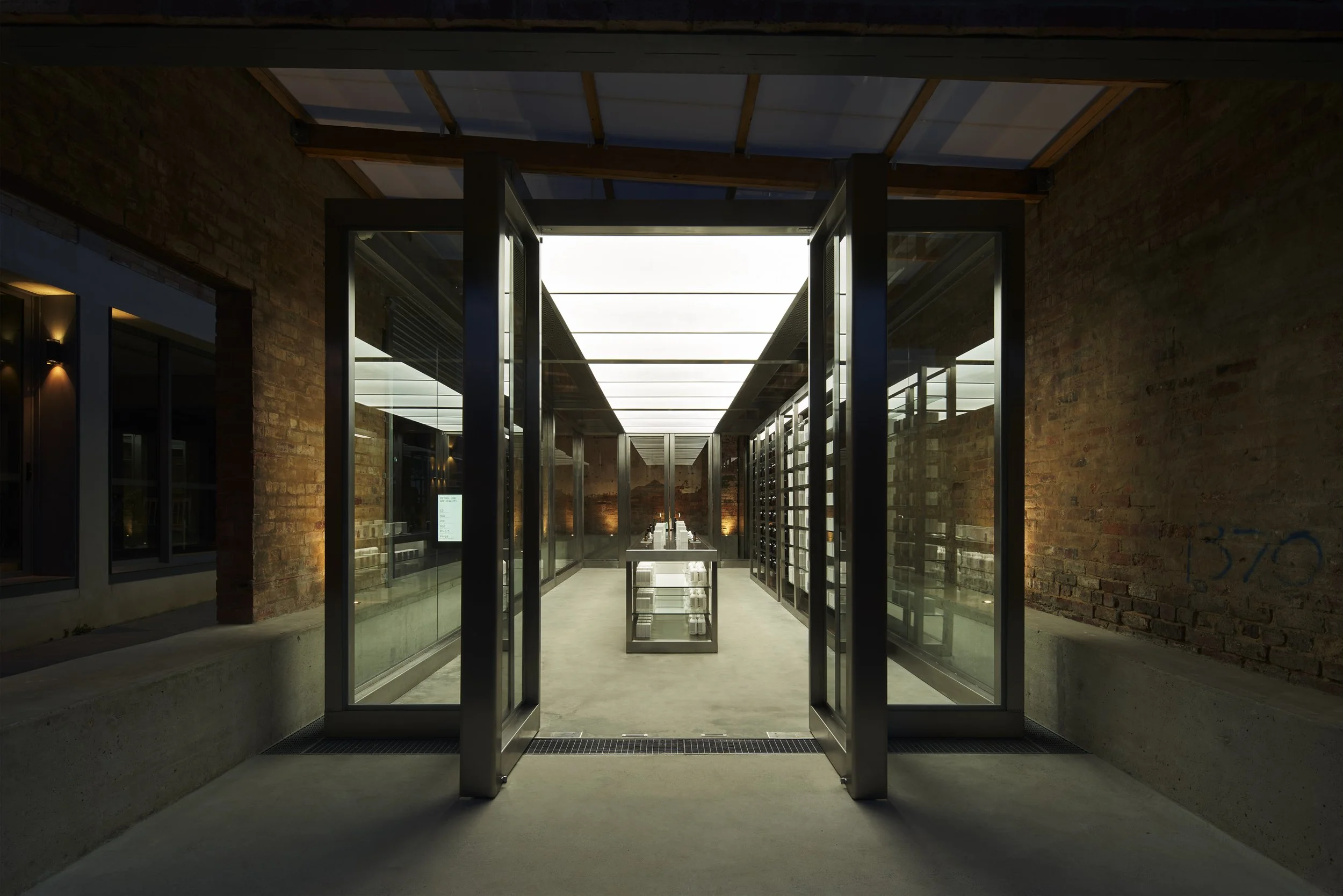
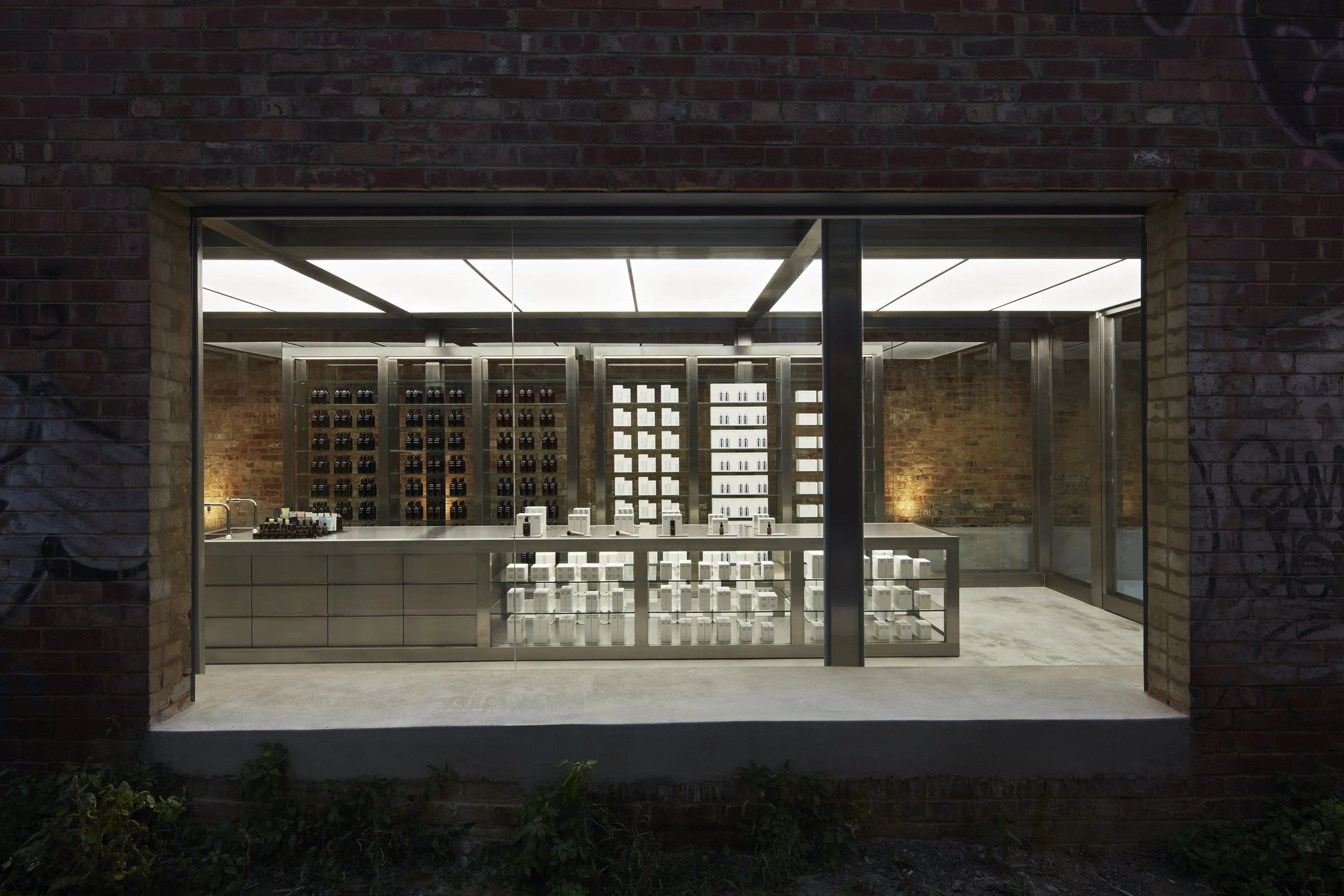
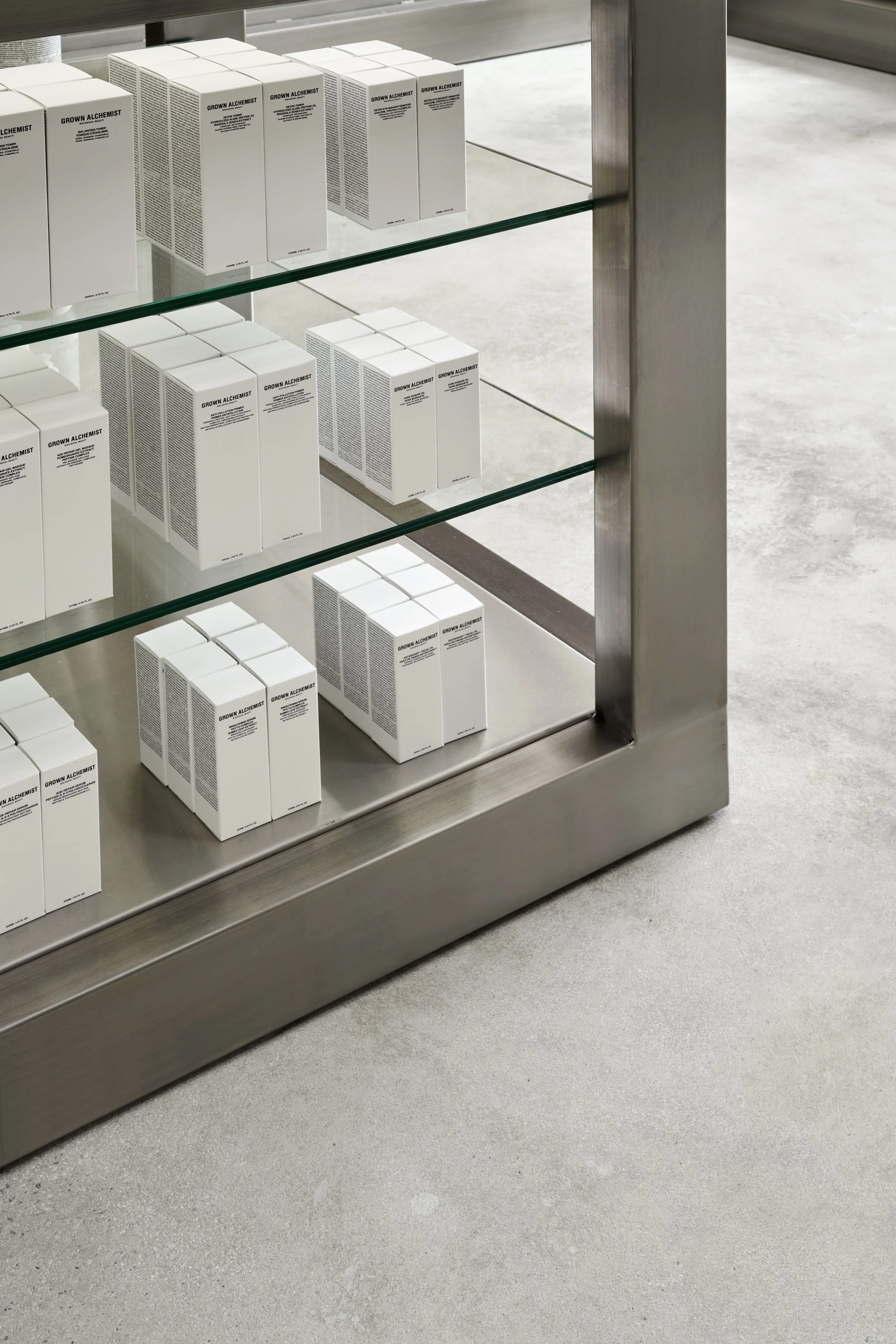
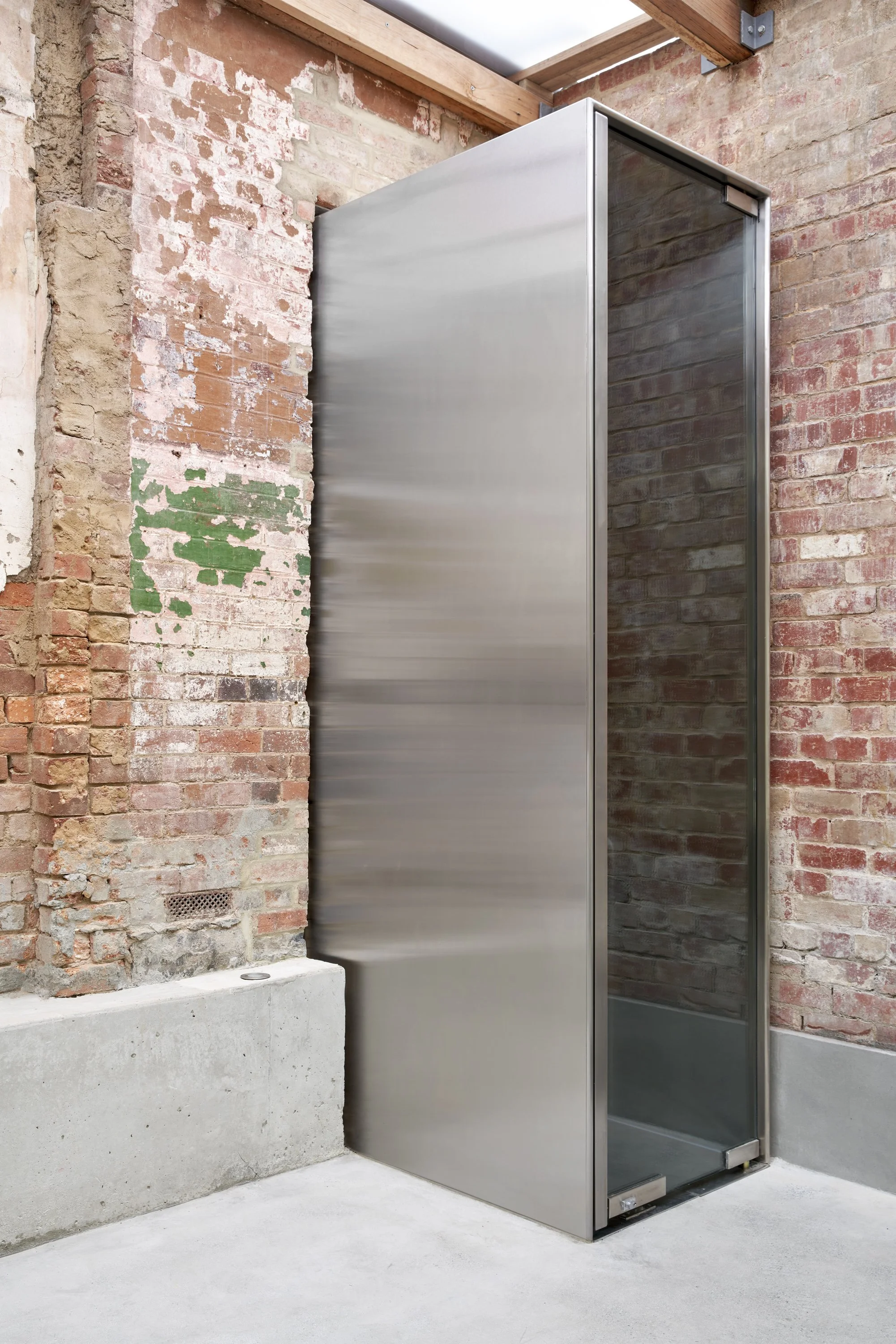
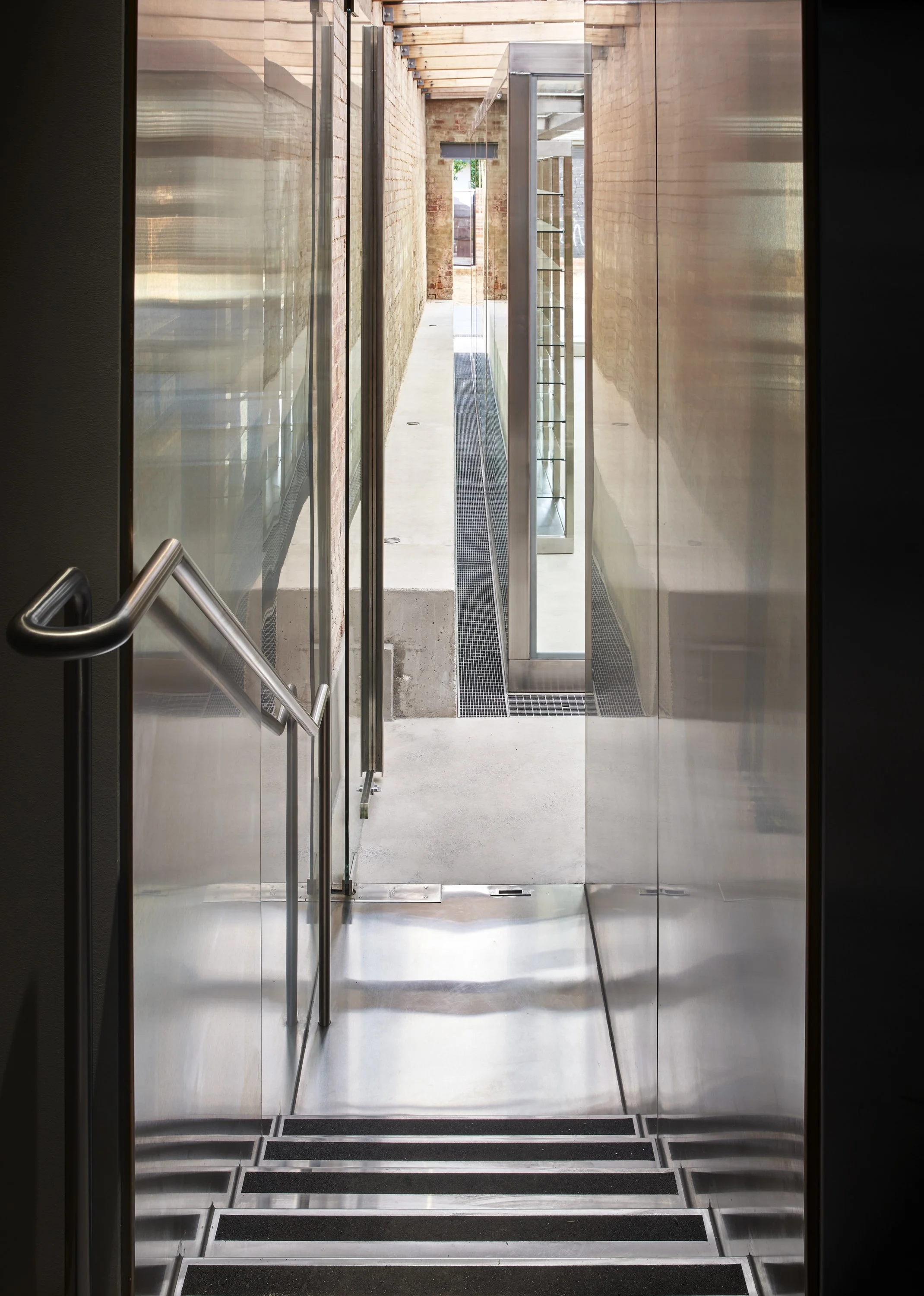
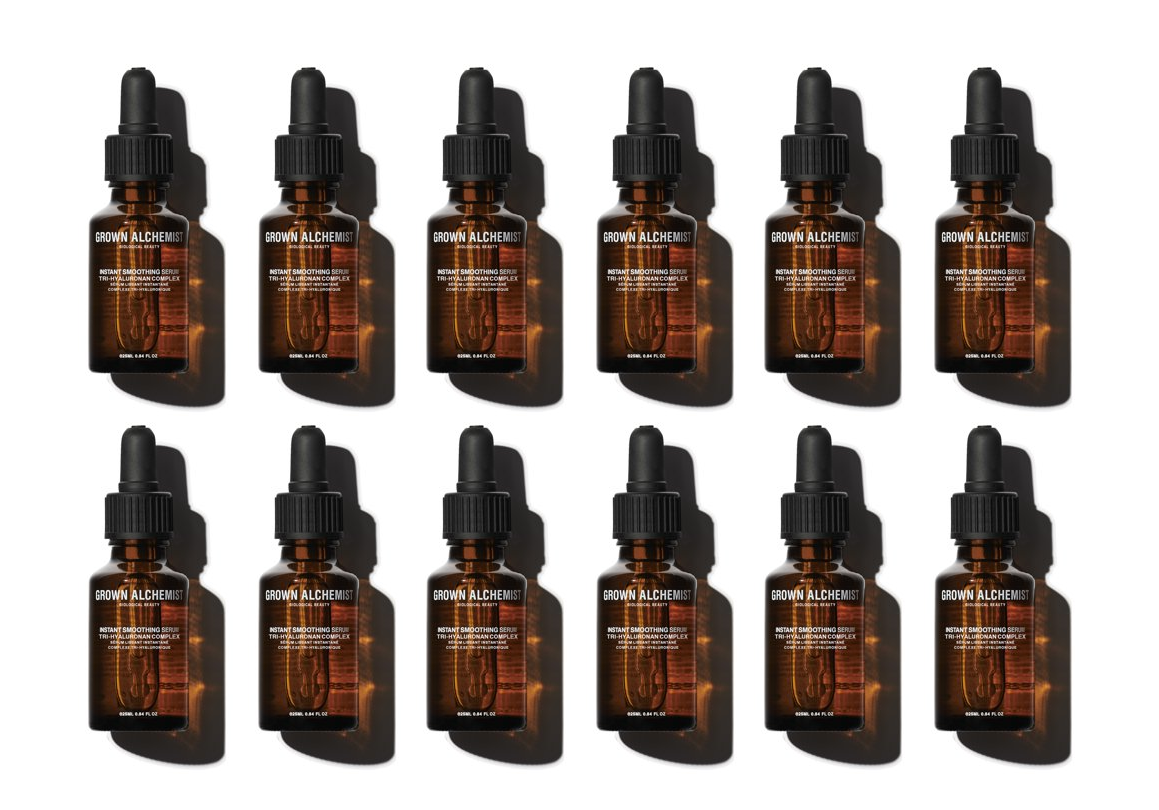
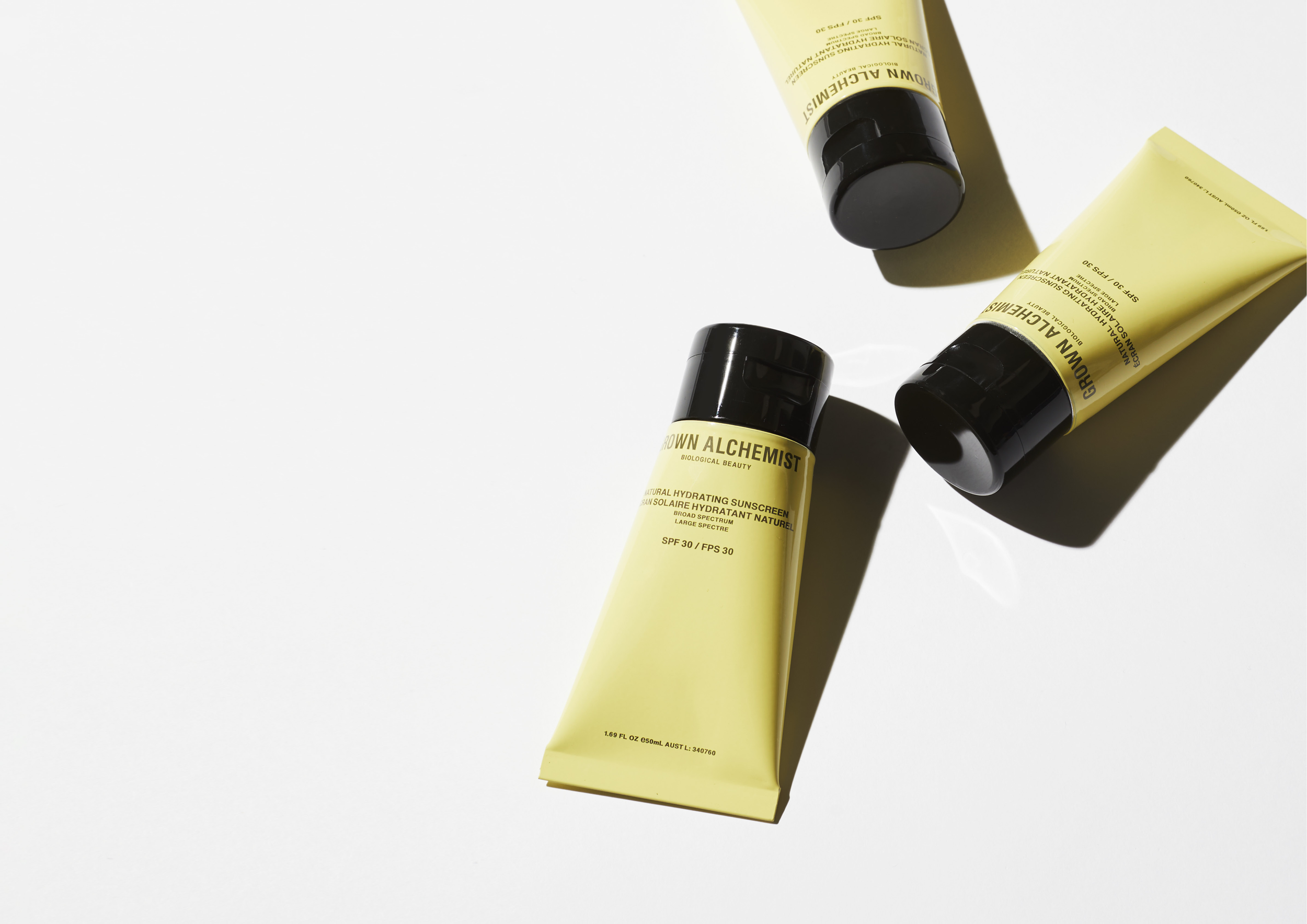
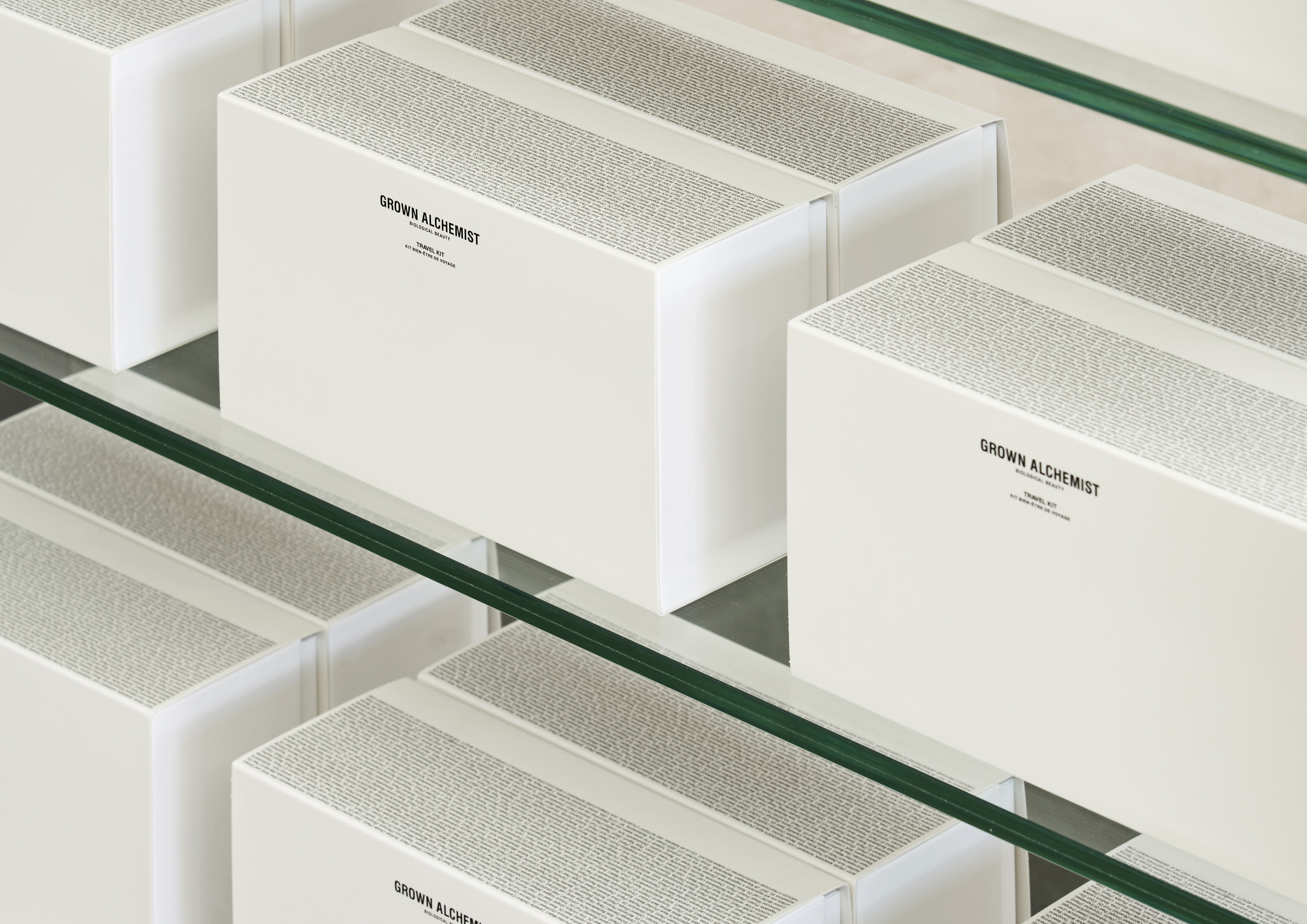
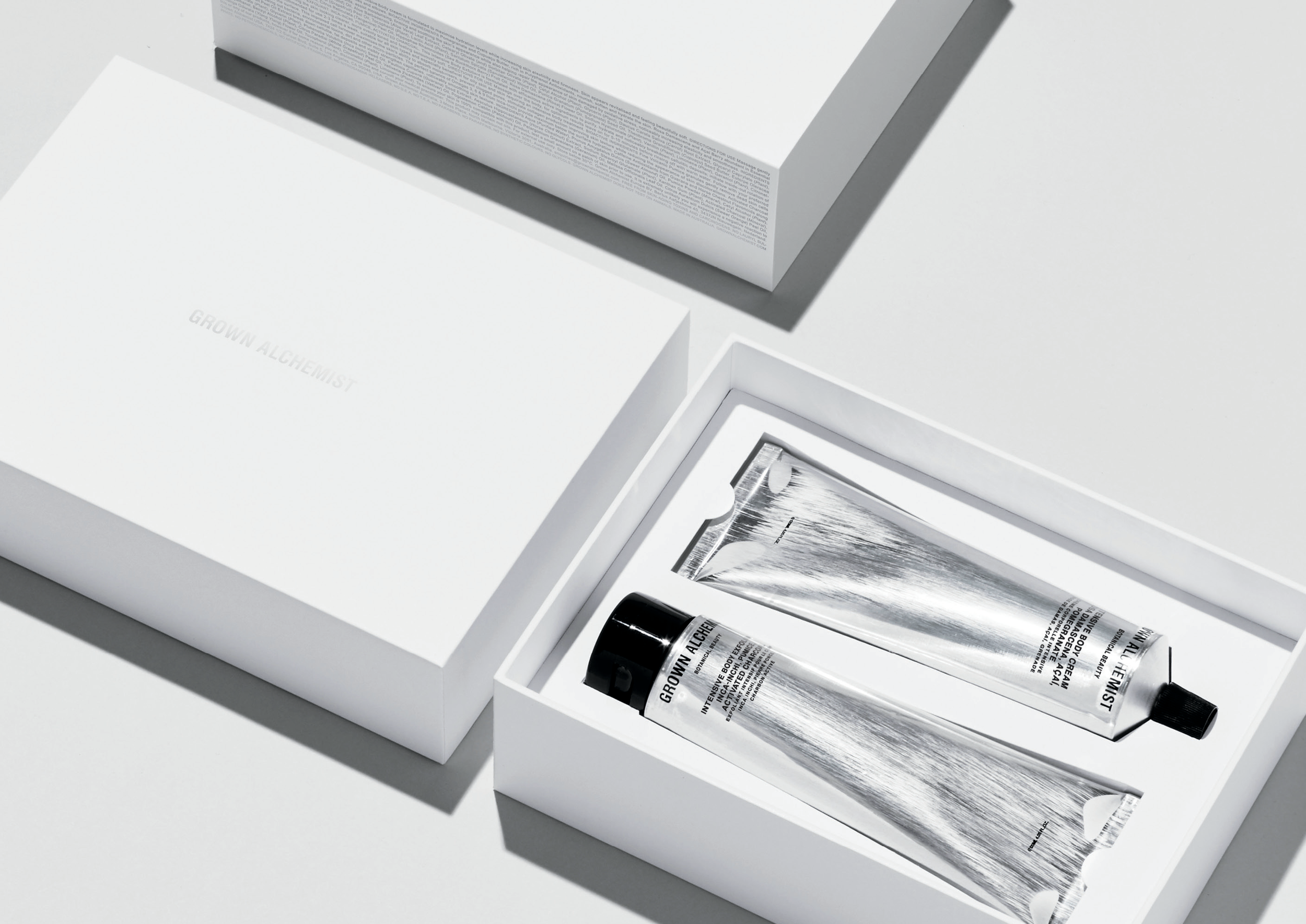
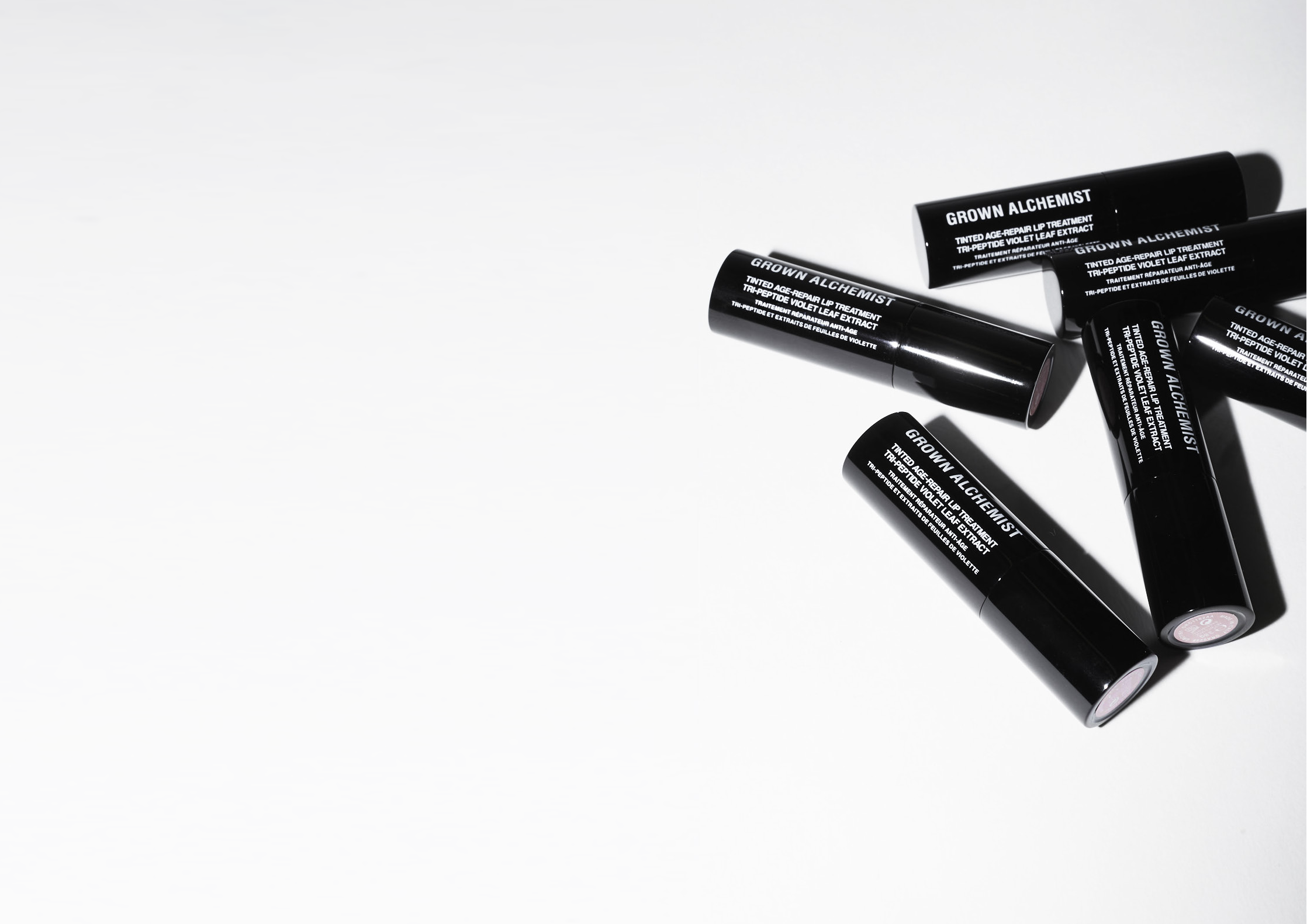
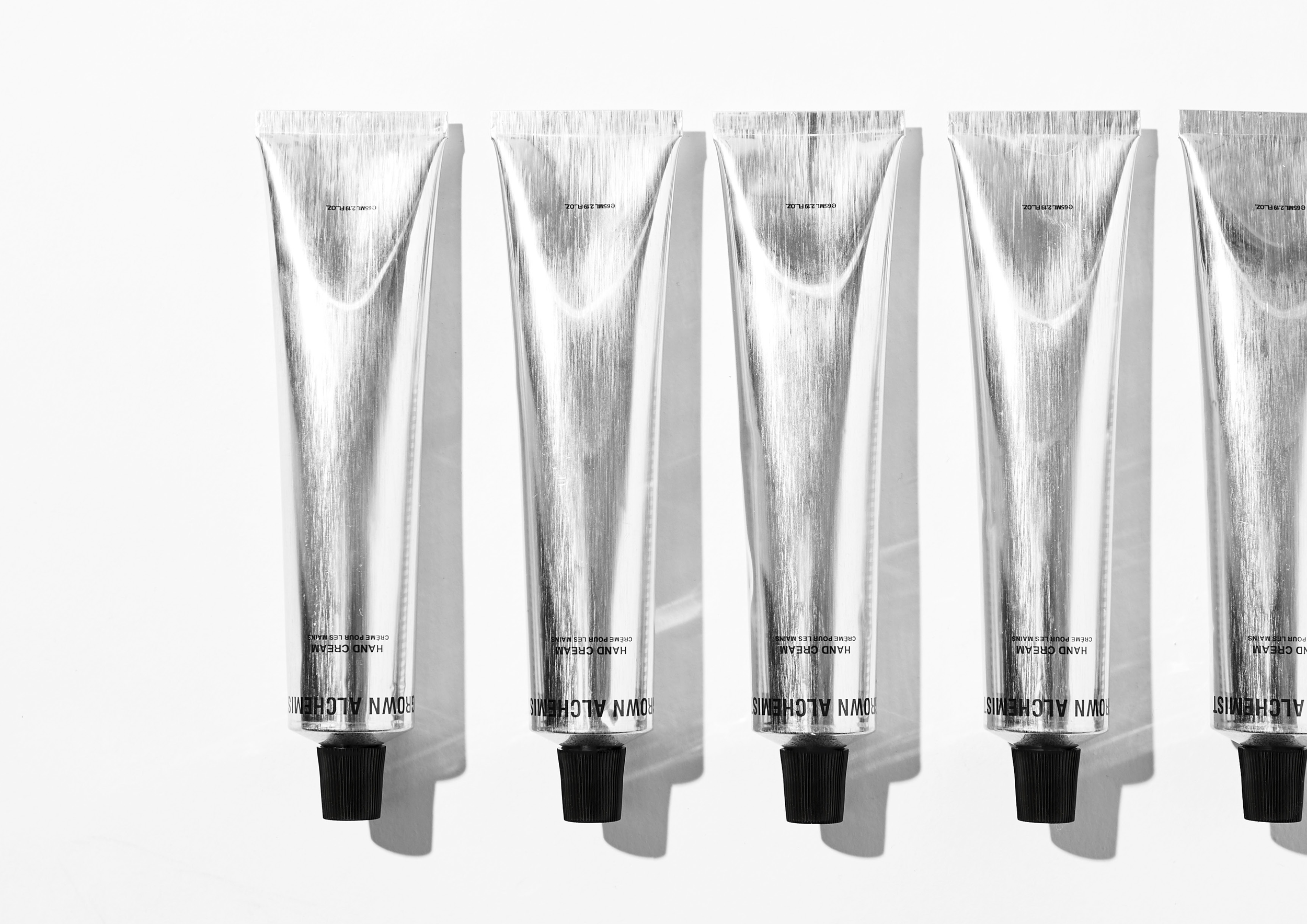
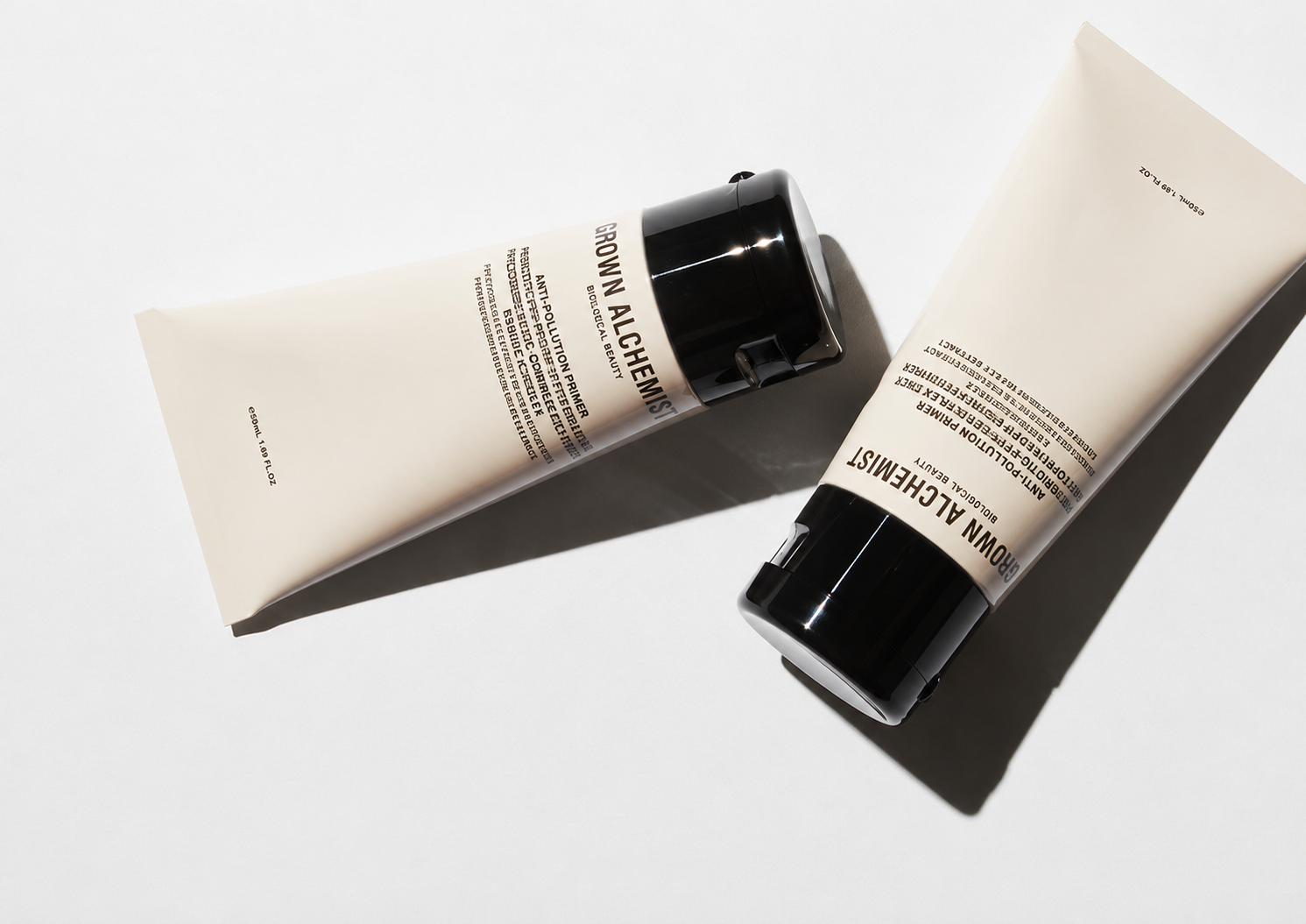
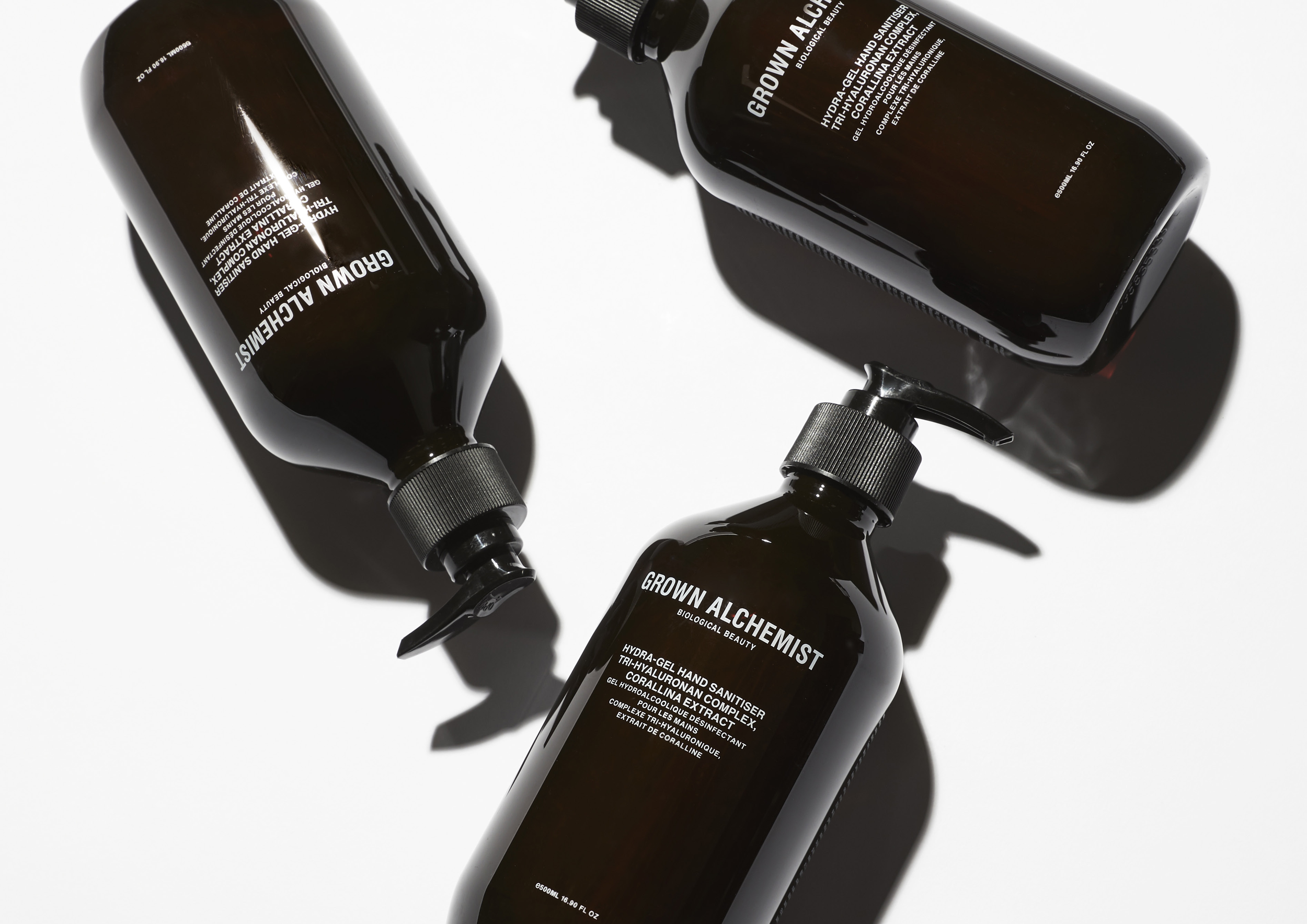
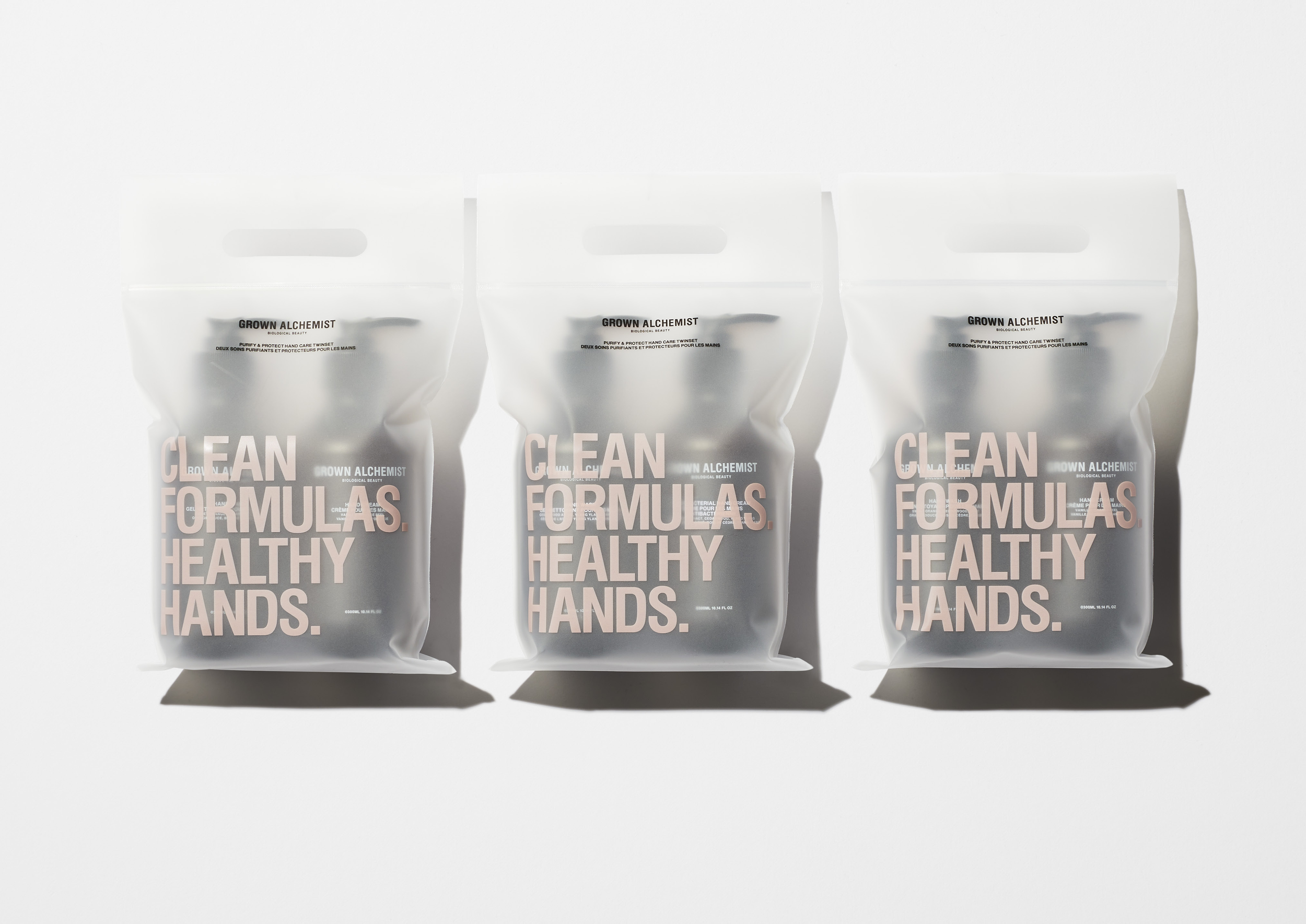
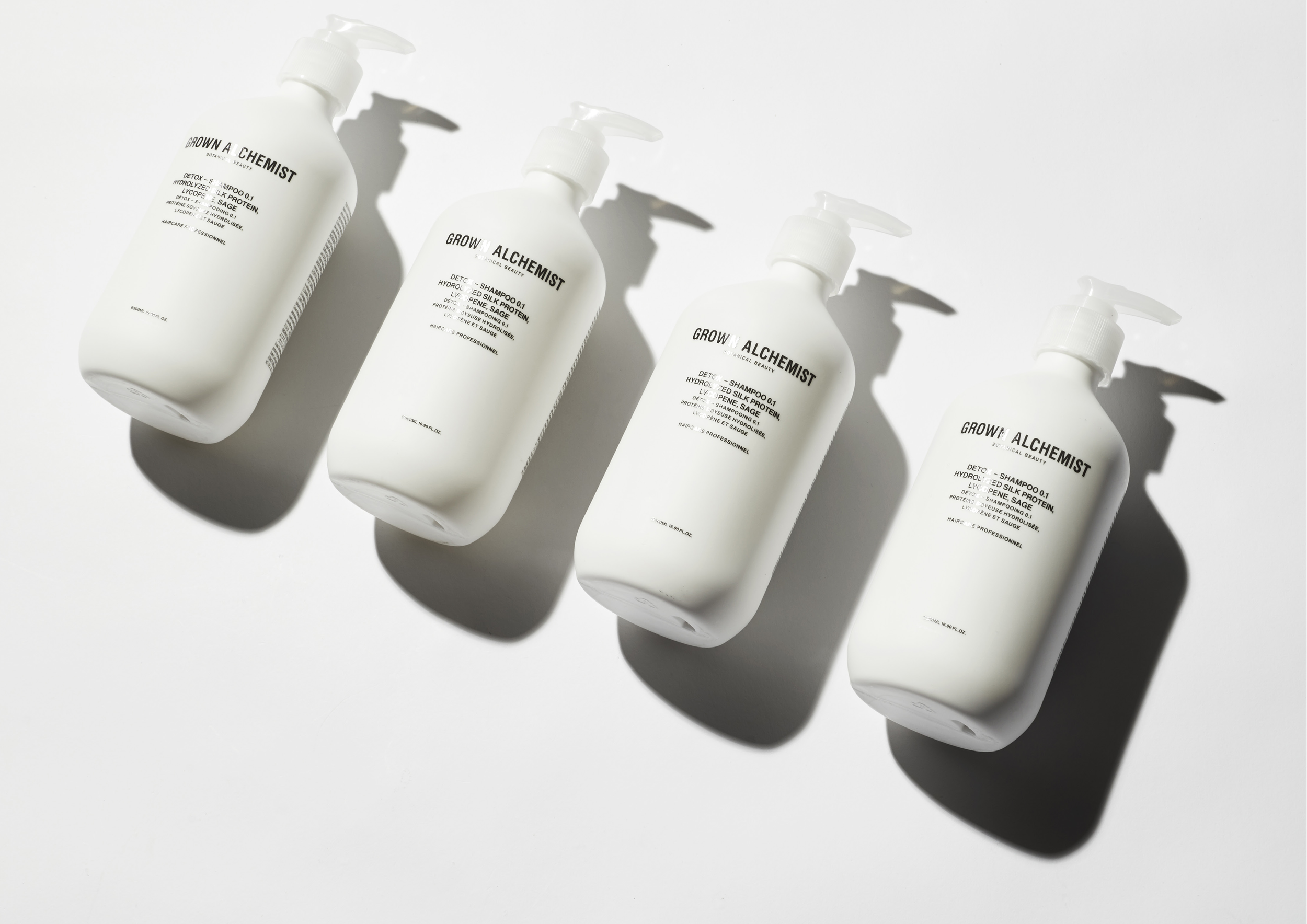
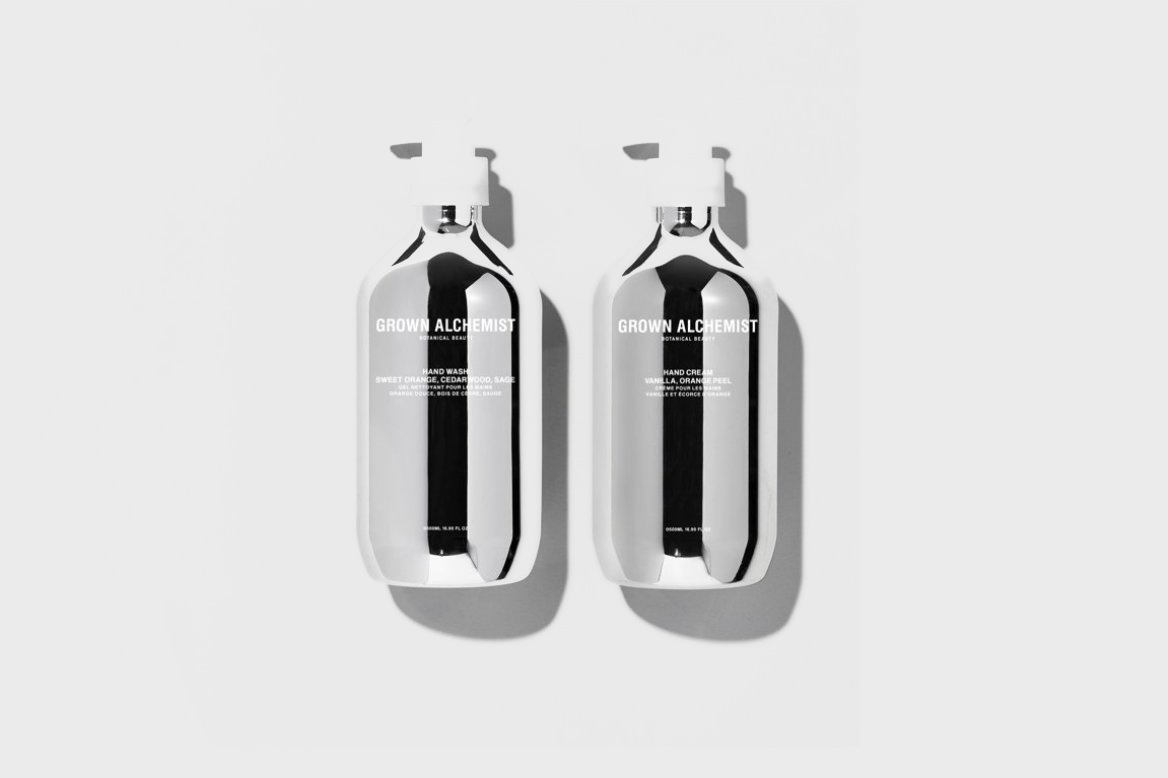
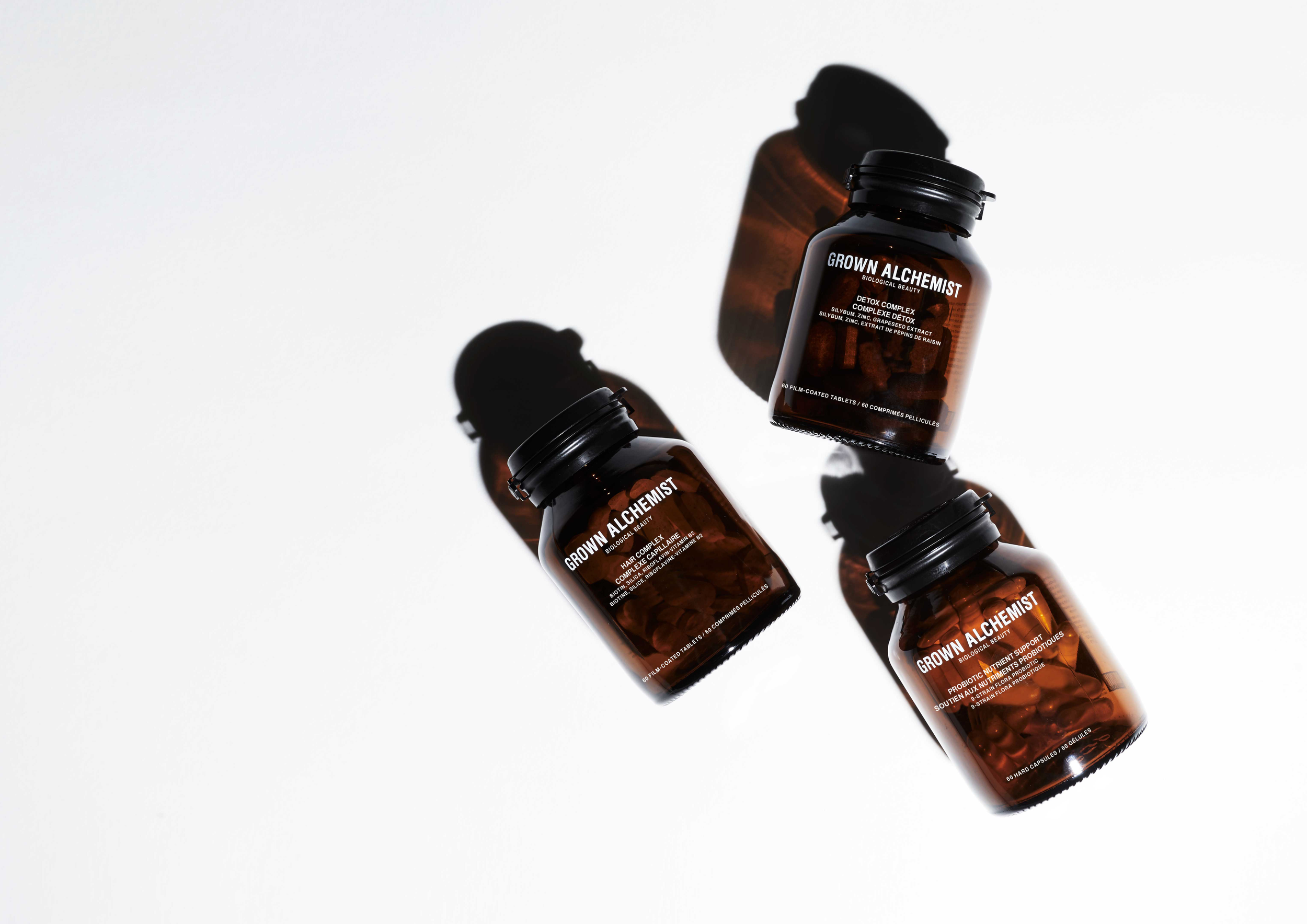
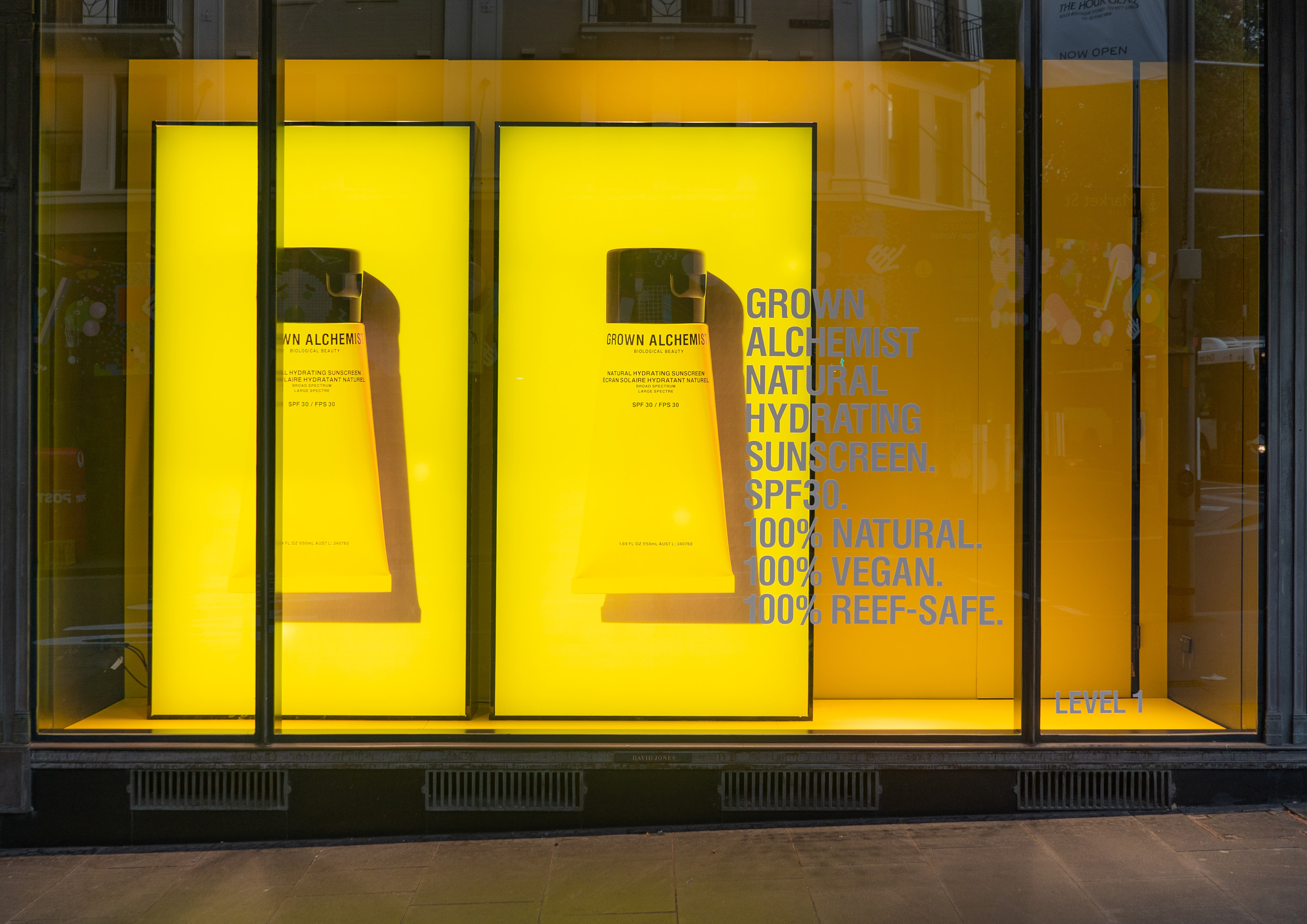
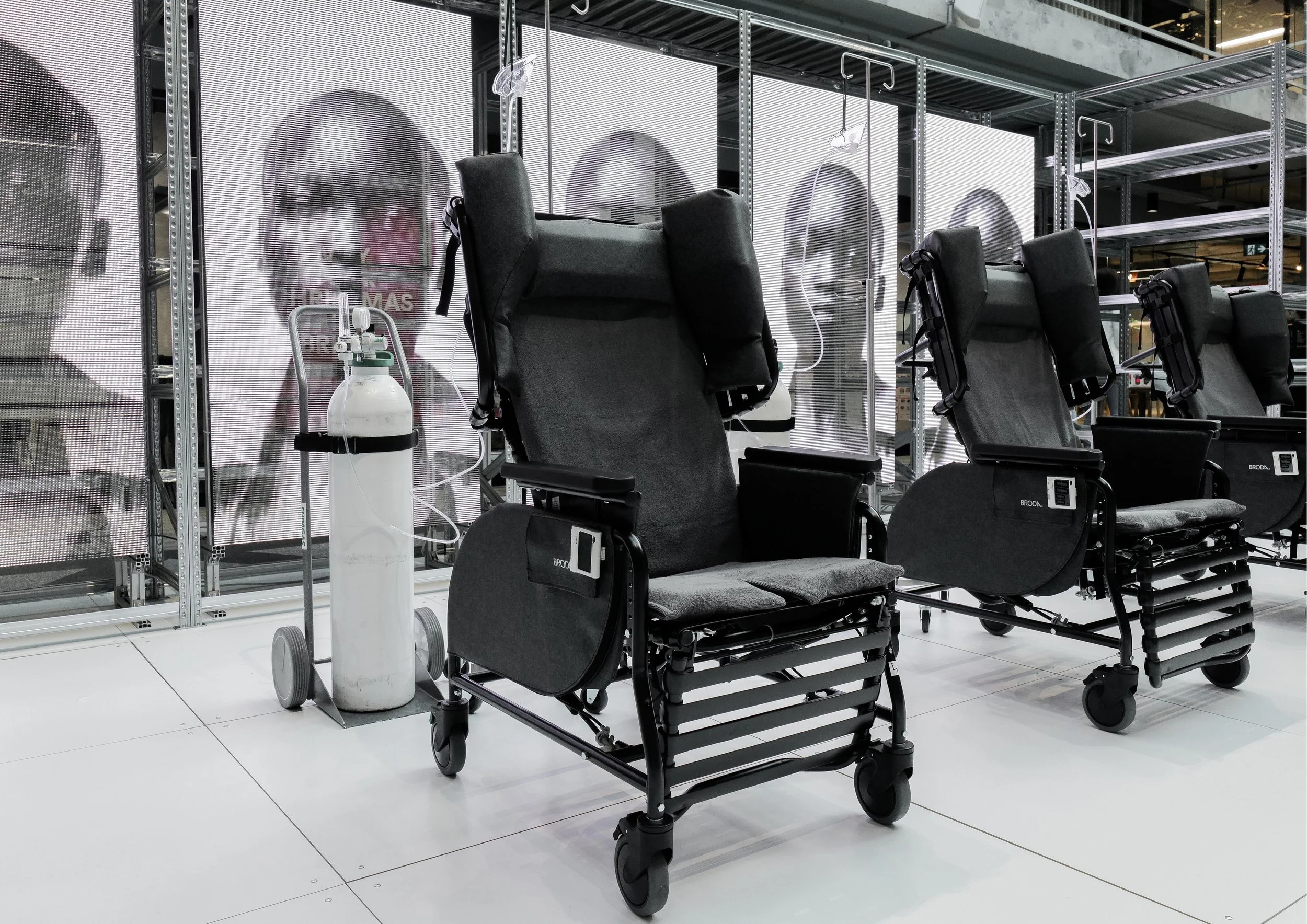
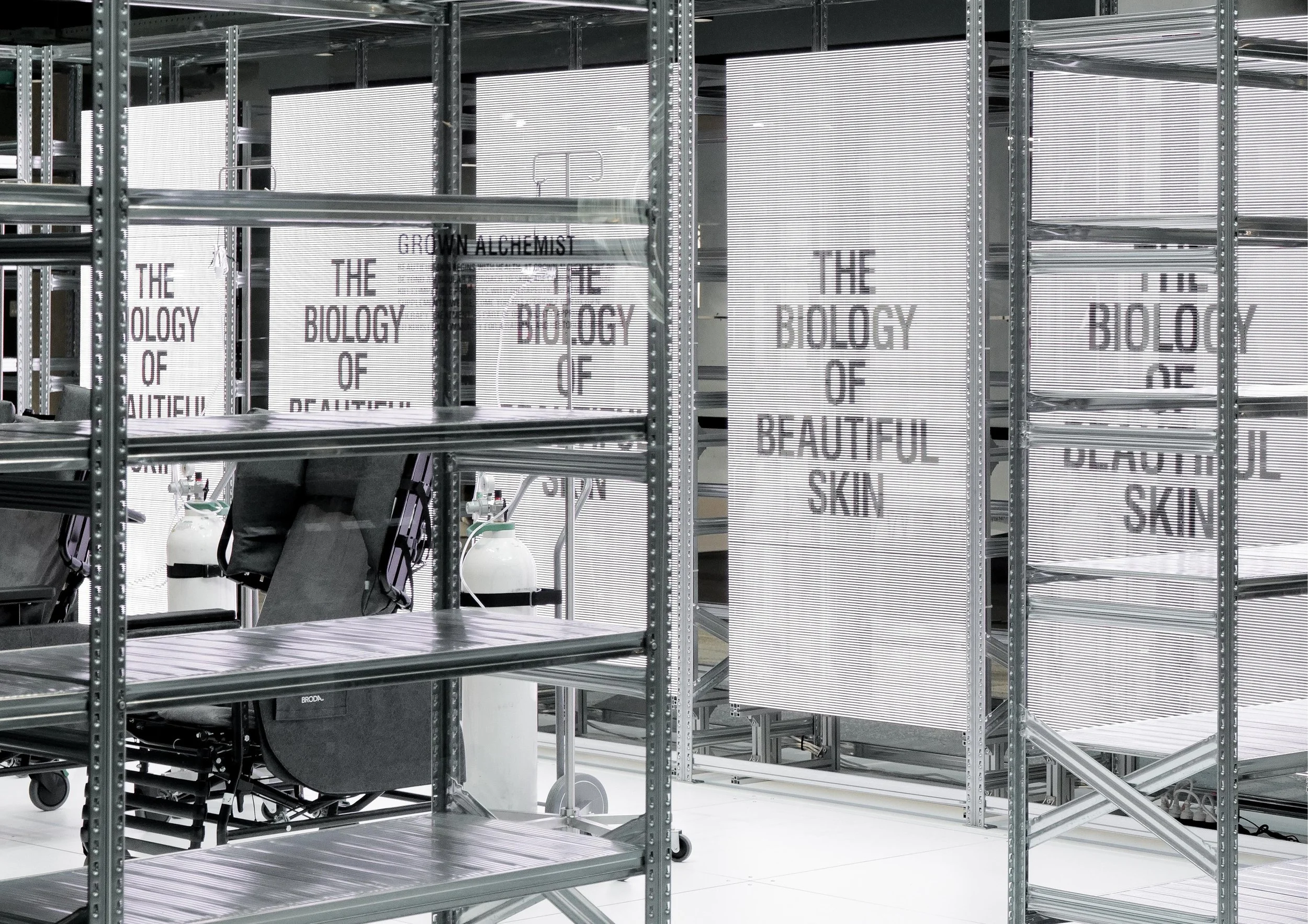
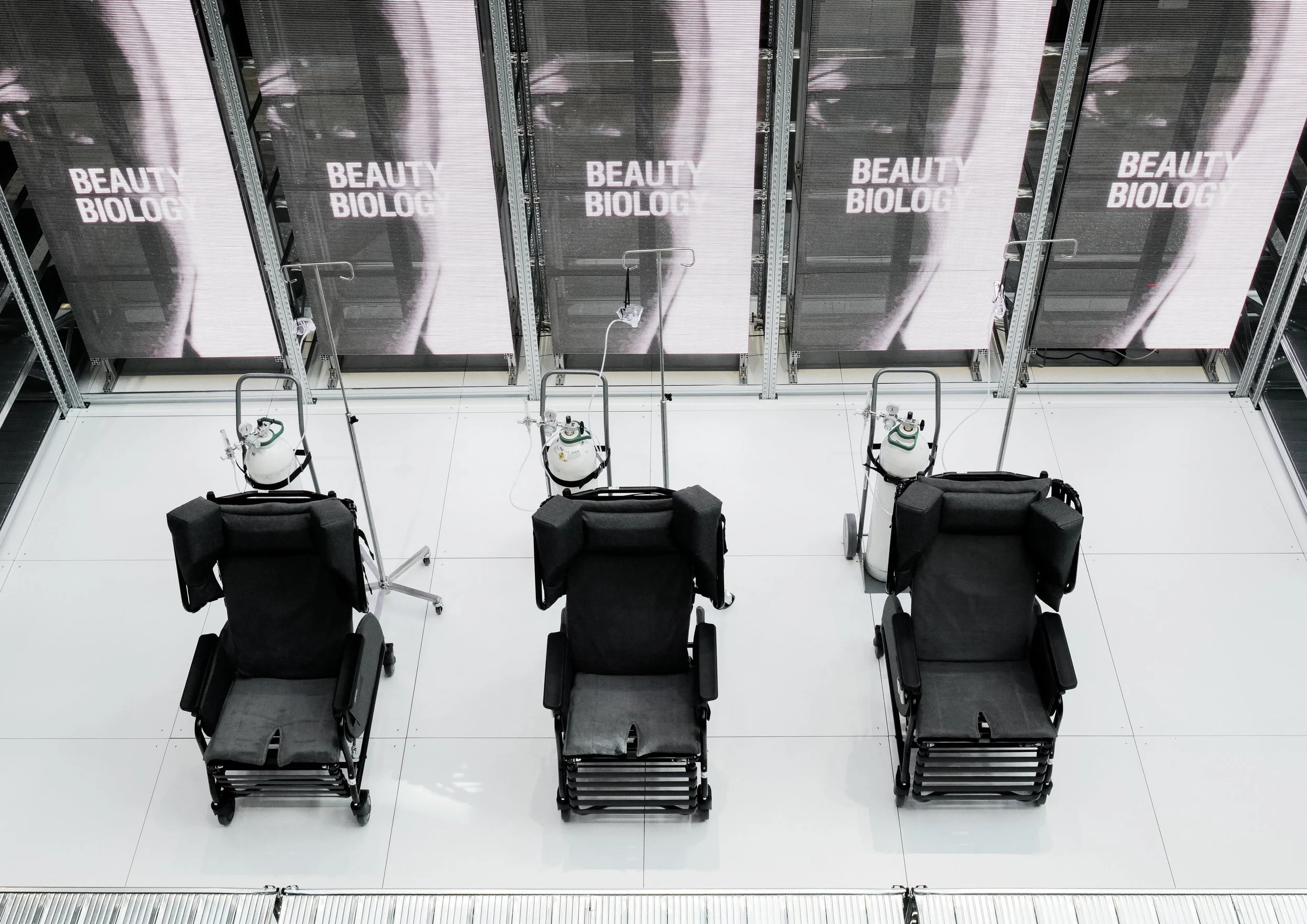
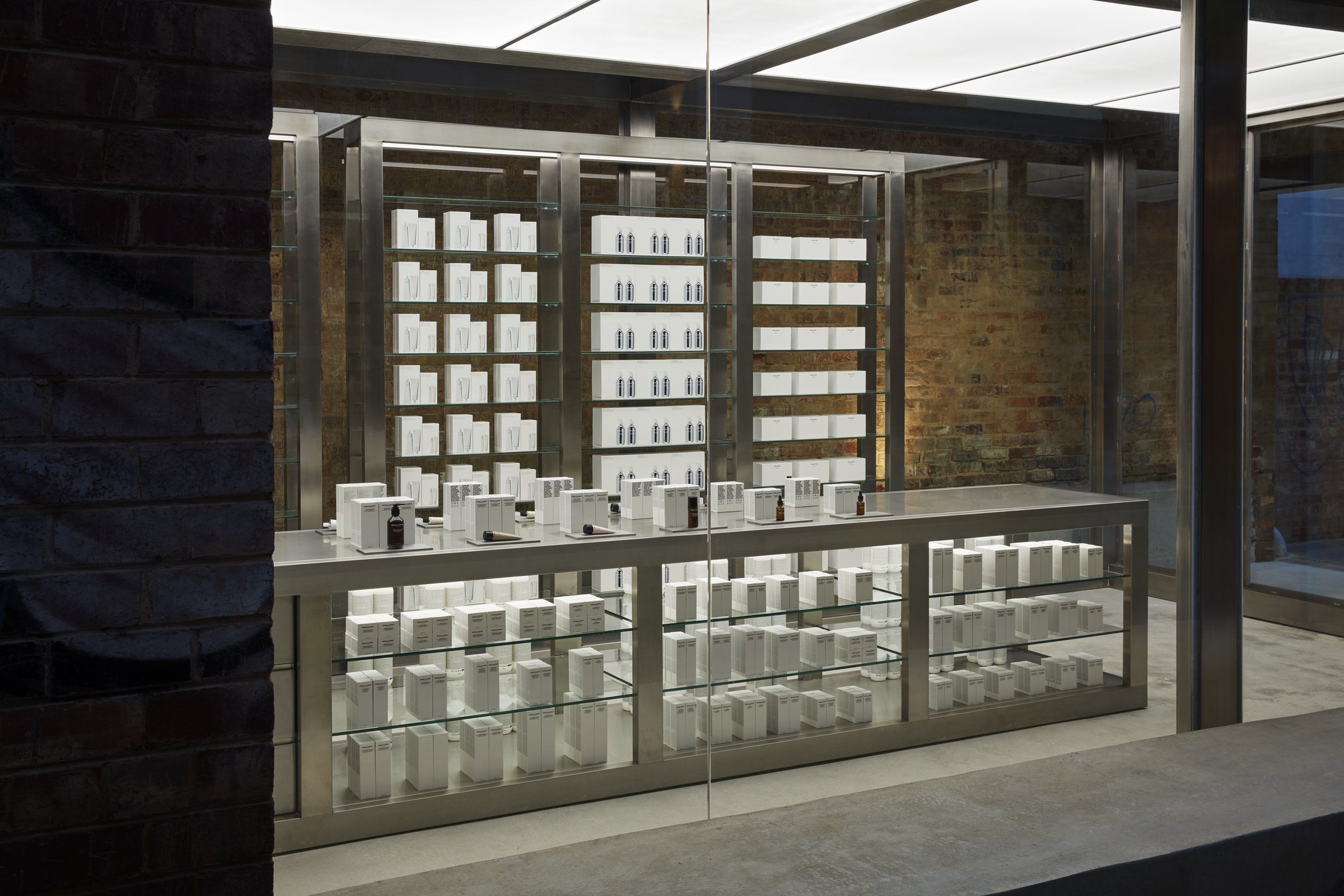
Product architecture, packaging systems, and retail environments were designed to express a controlled, apothecary-modern aesthetic aligned with the scientific-natural duality.
In 2021, the flagship retail environment received an Australian Interior Design Award for retail design.
The brand’s products were repeatedly awarded international beauty awards and adopted by more than 200 luxury hotels globally, including The Murray in Hong Kong and Crown Towers in Sydney.
The brand also became an amenity partner to Equinox, replacing Kiehl’s, and was selected for business class amenities onboard multiple international airlines, including Virgin, Qantas and Delta.
These placements were not distribution decisions alone — they reinforced the brand’s positioning within a global luxury context.
Cultural Relevance
Grown Alchemist operated at the intersection of science and culture.
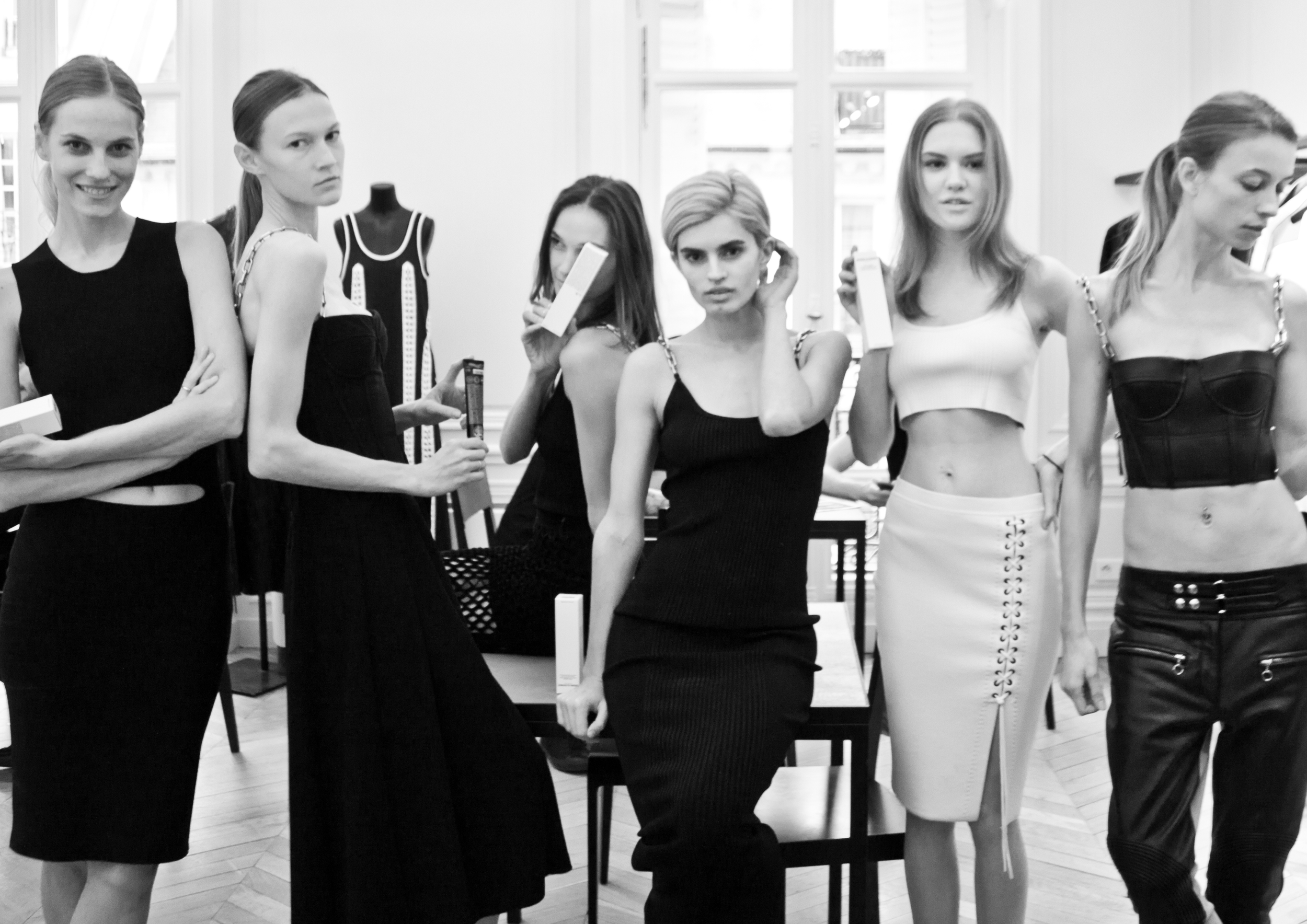
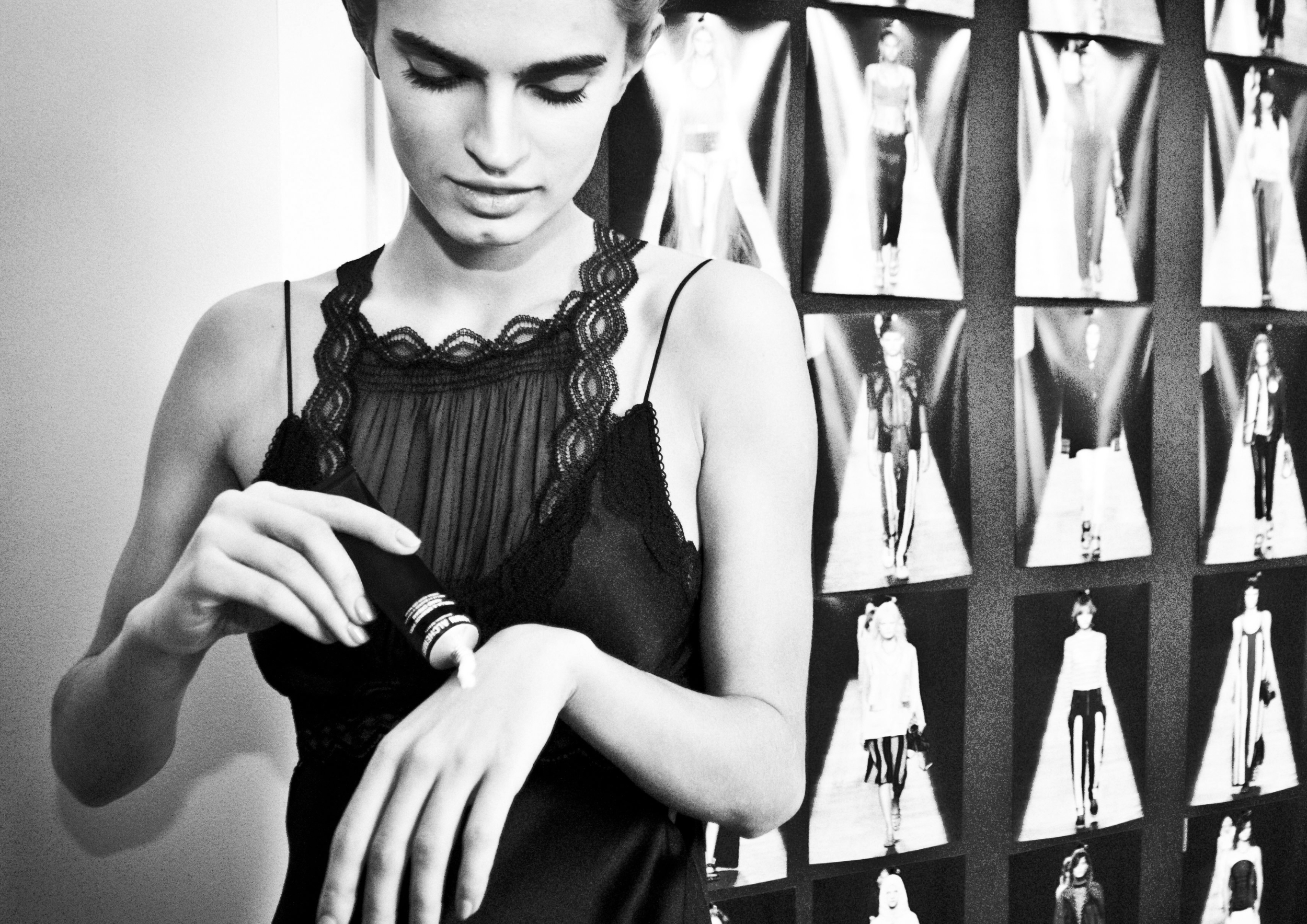
The brand collaborated with Alexander Wang at Paris Fashion Week and developed a cult following among creative and fashion communities.
Endorsement was organic rather than campaign-driven.
The positioning allowed the brand to move fluidly between fashion, hospitality, and wellness environments without dilution.
Commercial Outcome
By 2023, annual revenue reached 25 million and the brand was acquired by the L’Occitane Group for 60 million.
The foundational strategic construct — name, positioning and category logic — remain as relevant today as they were at their inception.
-
![]()
01
-
![An image of the Cultural Center.]()
02
-
![An image of the Cultural Center.]()
03
-
![An image of the Cultural Center.]()
04
-
![]()
05
-
![]()
06
-
![]()
07
-
![]()
08
-
![]()
09
-
![]()
10
-
![]()
11
-
![]()
12
-
![]()
13
-
![]()
14
-
![]()
15
-
![]()
16
-
![]()
17
-
![]()
18
-
![]()
19
-
![]()
20
-
![]()
21
-
![]()
22
-
![]()
23
-
![]()
24
-
![]()
25
-
![]()
26